

Work In Progress (English)
Vision
Competent & Confident users of the English Language.
Mission
To provide an engaging learning environment to develop our pupils into confident and competent users of English Language in speech and writing.
Message from HOD English Language & School Library
Mr Matthew Chua
"In this globalised and delicate world, it is important that the pupils are equipped with the skills to be affective communicators who seek to understand and be understood."
Message from LH/ English Language
Mrs Ho-Tan Soon Hui
"Every child is different and has his own potential. As an educator, I believe in encouraging our pupils to focus on their unique strengths to reach their fullest potential.
I am committed to build on a culture of continuous learning and improvement in the school so that teachers can be empowered to fulfil the potential of every child in WVPS."
English Curriculum
English is the common language that facilitates bonding among the different ethnic and cultural groups. On the global platform, English allows Singaporeans to tap into a knowledge-based economy where English is the main lingua franca of the Internet, of science and technology, and of world trade.
The development of multiple competencies will enable our young to capitalise on the rich opportunities of the digital age, while maintaining a strong foundation in the language. It will allow our students to engage meaningfully and confidently with the wider and more diverse communities both in and out of Singapore.
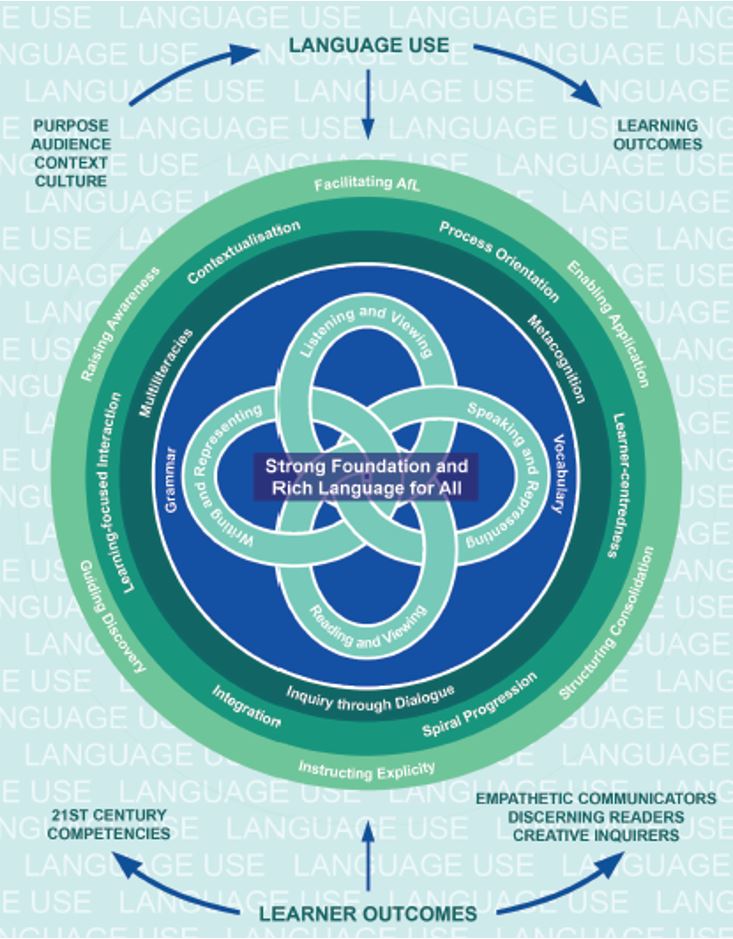
The following diagram presents the key features of the EL Syllabus undergirded by the principles of EL teaching and learning (CLLIPS) and EL teaching processes (ACOLADE). Drawing on the model of effective teaching in the Singapore Teaching Practice, a pedagogical emphasis on Multiliteracies, Metacognition, and Inquiry through Dialogue in the EL classroom ensures effective and affective language use for all EL learners. The approach to language teaching and learning ensures a firm and rich foundation for all.
What's Up In Class?
The English Language curriculum aims to develop effective and affective language use in our pupils through
-
listening, reading and viewing from print, non-print and digital networked resources
-
speaking, writing and representing in standard English appropriate for different purposes, audiences, contexts and cultures
-
using standard English grammar and vocabulary accurately and appropriately
-
using English with impact, effect and affect.
Guided by CLLIPS as explained below, teachers will apply knowledge of the disciplinarity of EL and guide their pupils effectively and confidently towards a deeper understanding of the language and its use, and facilitate the transfer of learning.
-
Contextualisation - pupils learning the English language in authentic and meaningful contexts
-
Learner-centredness - teaching is differentiated according to pupils’ readiness, interests and learning profiles
-
Learning-focused interaction - pupils working together actively to boost their confidence in the use of the language
-
Integration - teaching of receptive skills, productive skills and metalanguage by building on one another
-
Process orientation - teacher models, scaffolds and differentiates the learning of language skills
-
Spiral progression - teaching of the English Language will be at increasing levels of difficulty and sophistication
In West View, our pupils acquire the English Language through the exploration of thematic texts. While exploring the text and enquiring about the theme, West Viewans will acquire the metalanguage through a myriad of activities.
West Viewans are given varied opportunities in speaking and writing to apply the metalanguage learnt. They are also equipped with the correct learning dispositions, allowing them not to be just effective communicators but also affective ones.
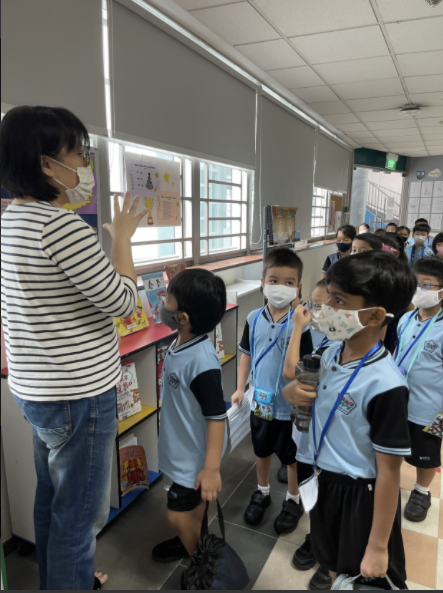
The librarian giving a tour of the school library to the Primary 1 pupils
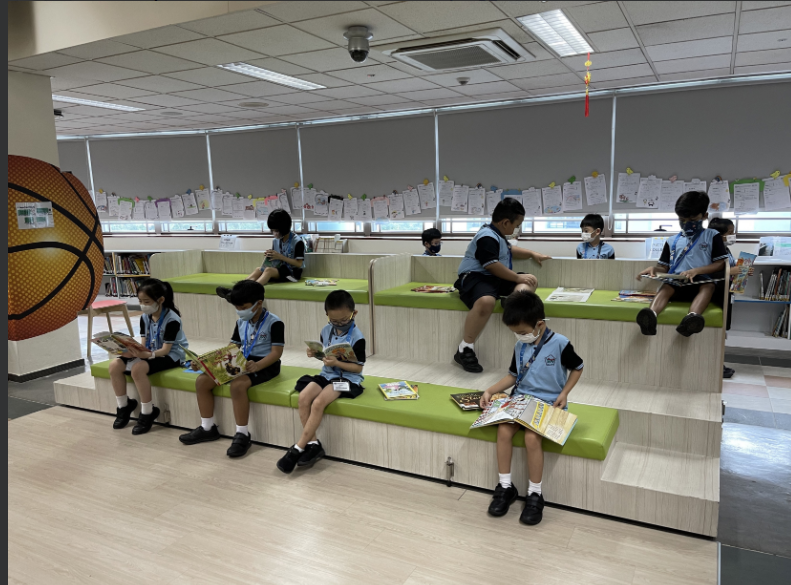
Cultivating the habit of reading with SMM in place
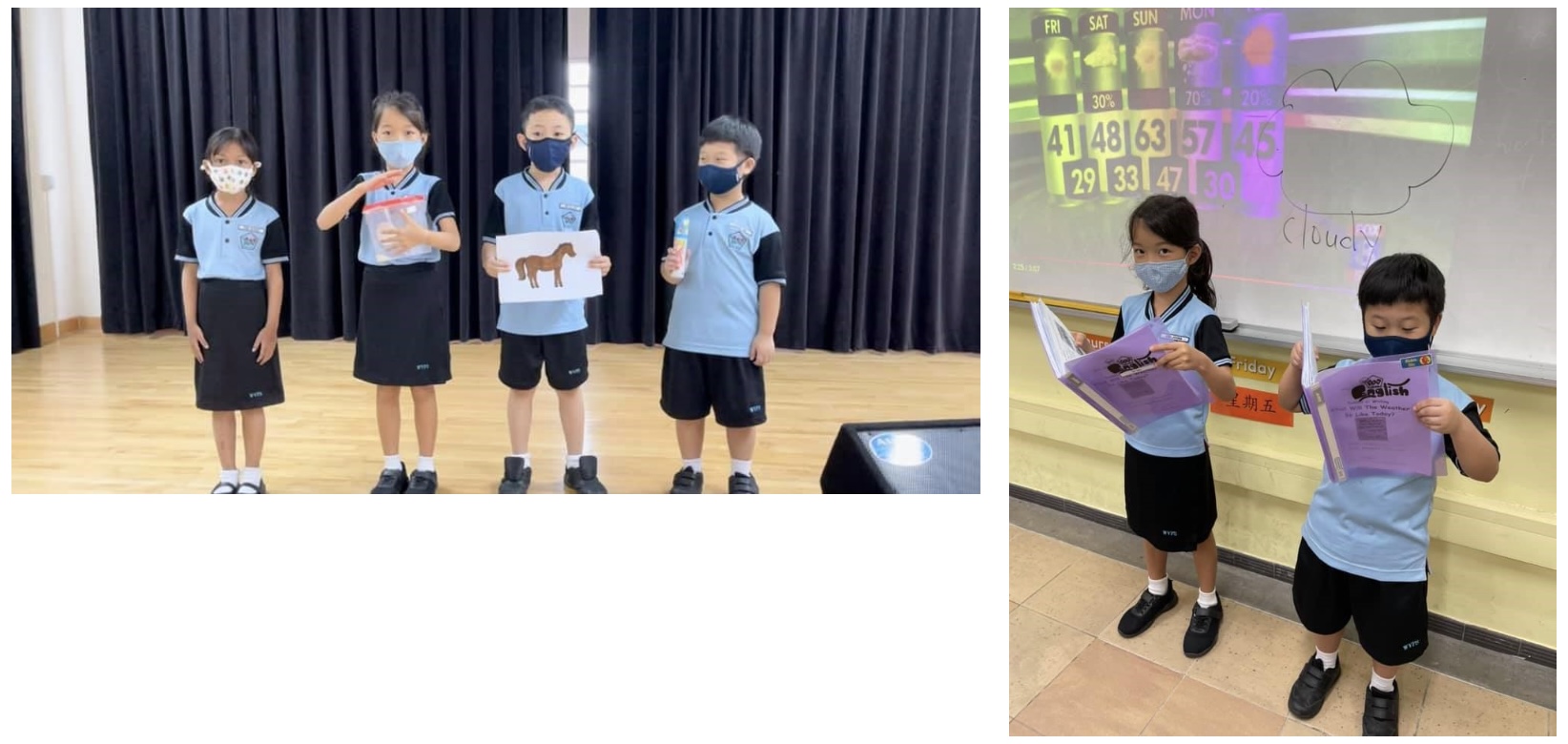
Lower Primary pupils presenting during a shared experience
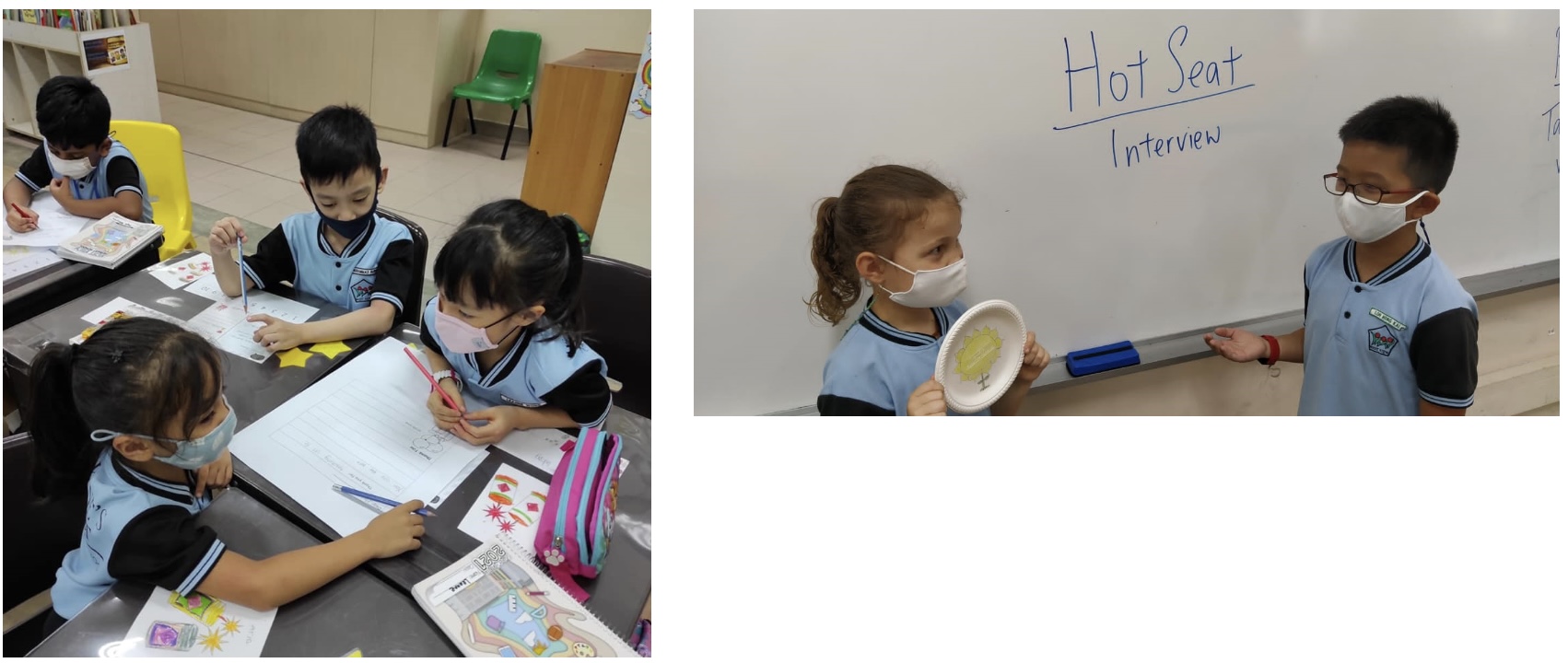
Pre-writing activity: Group work and hot seat activity to generate ideas for writing
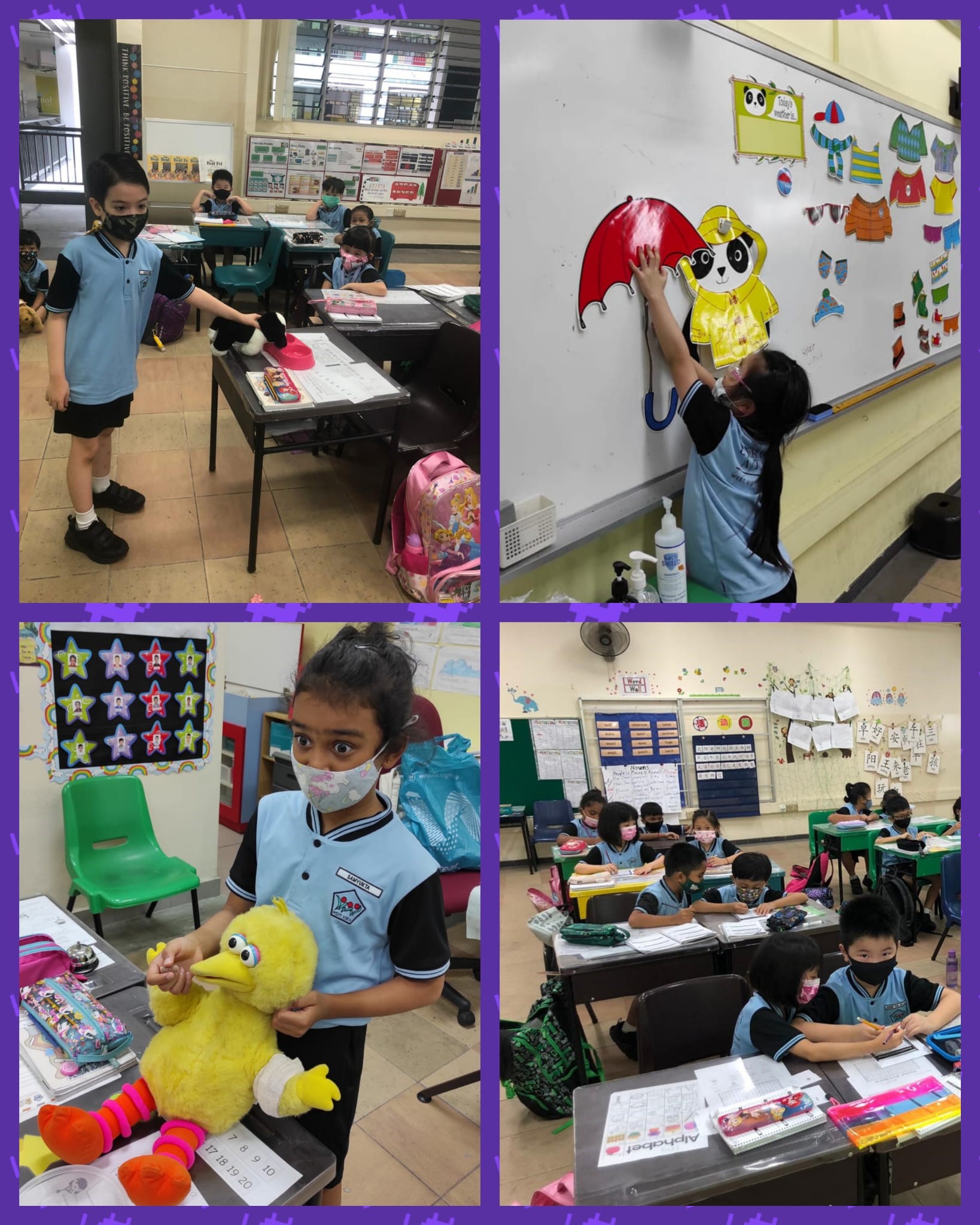
Pupils learning new words through activities and games, thus enabling them to expand their vocabulary.
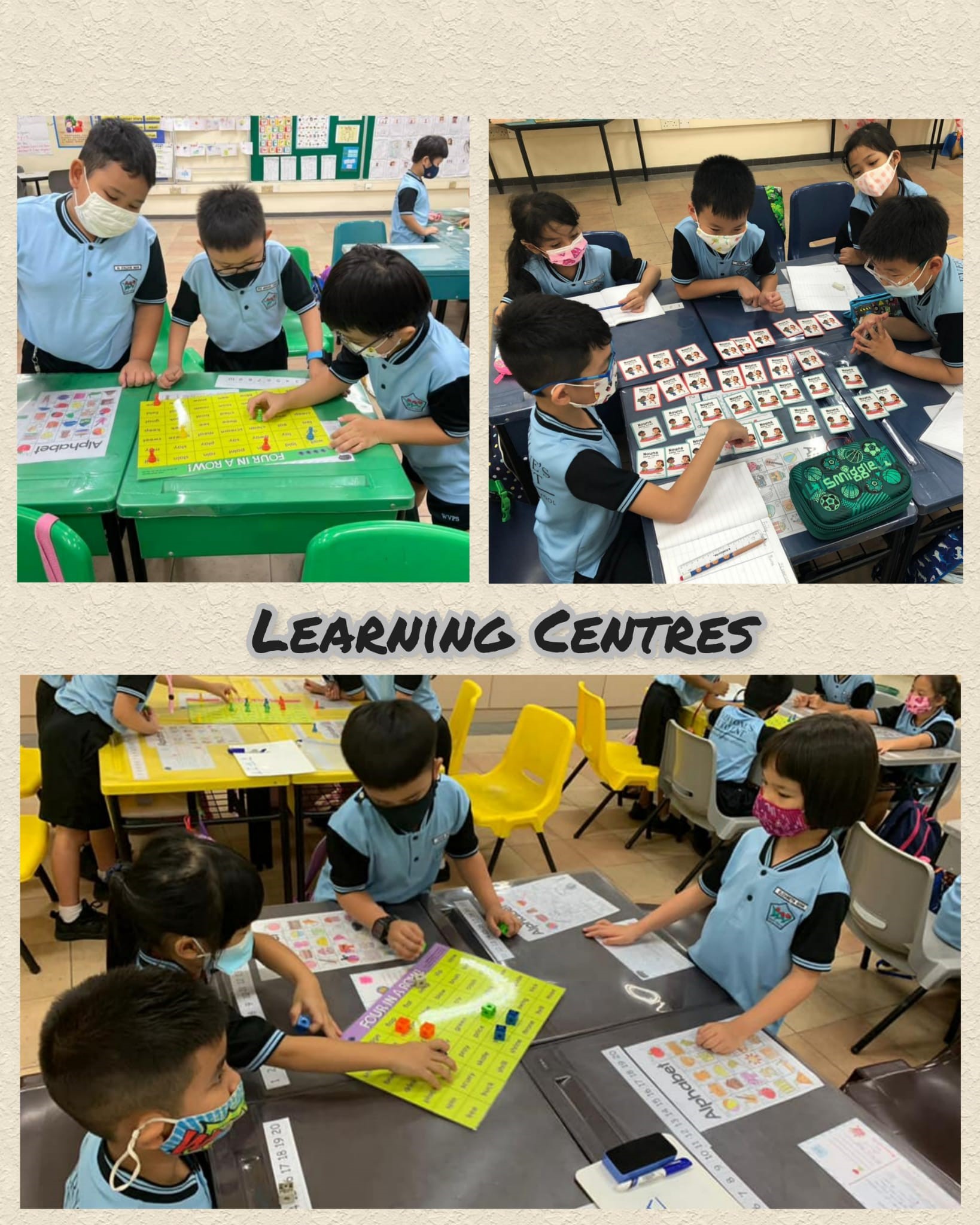
Pupils learning collaboratively through learning centre activities
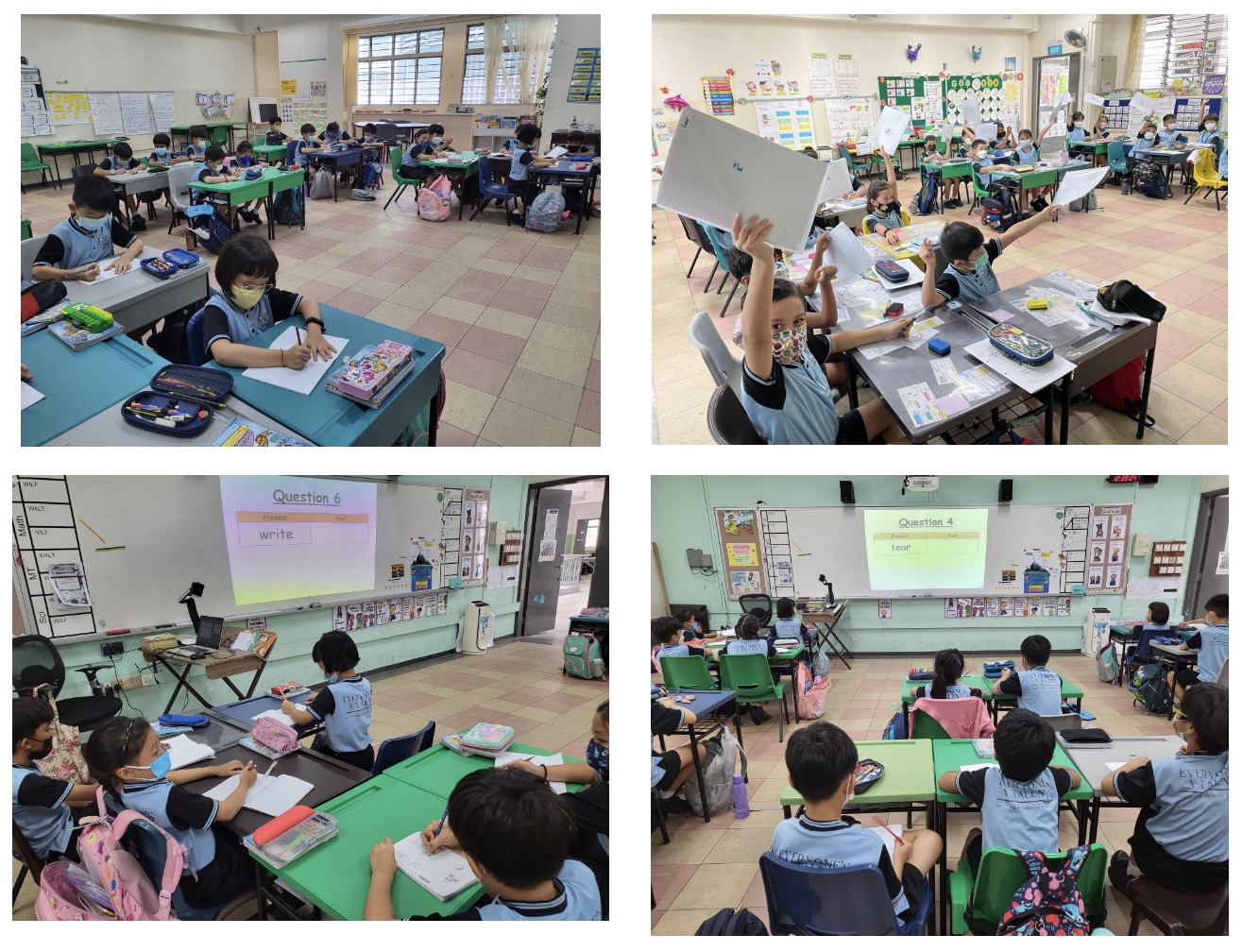
Gr8 quiz
Gr8 quiz or commonly known as Grammar Fluency is conducted in Primary
1 to Primary 6 classes a few times a week during English lessons. It is
conducted as a reinforcement of grammar rules before a grammar lesson.
Using grammar quizzes allows pupils to revise and understand a particular grammar item before moving on to more complex grammatical structures. Pupils gain confidence and they are more familiar with the grammar rules too.
Pupils being accustomed to the routine and being participative in class
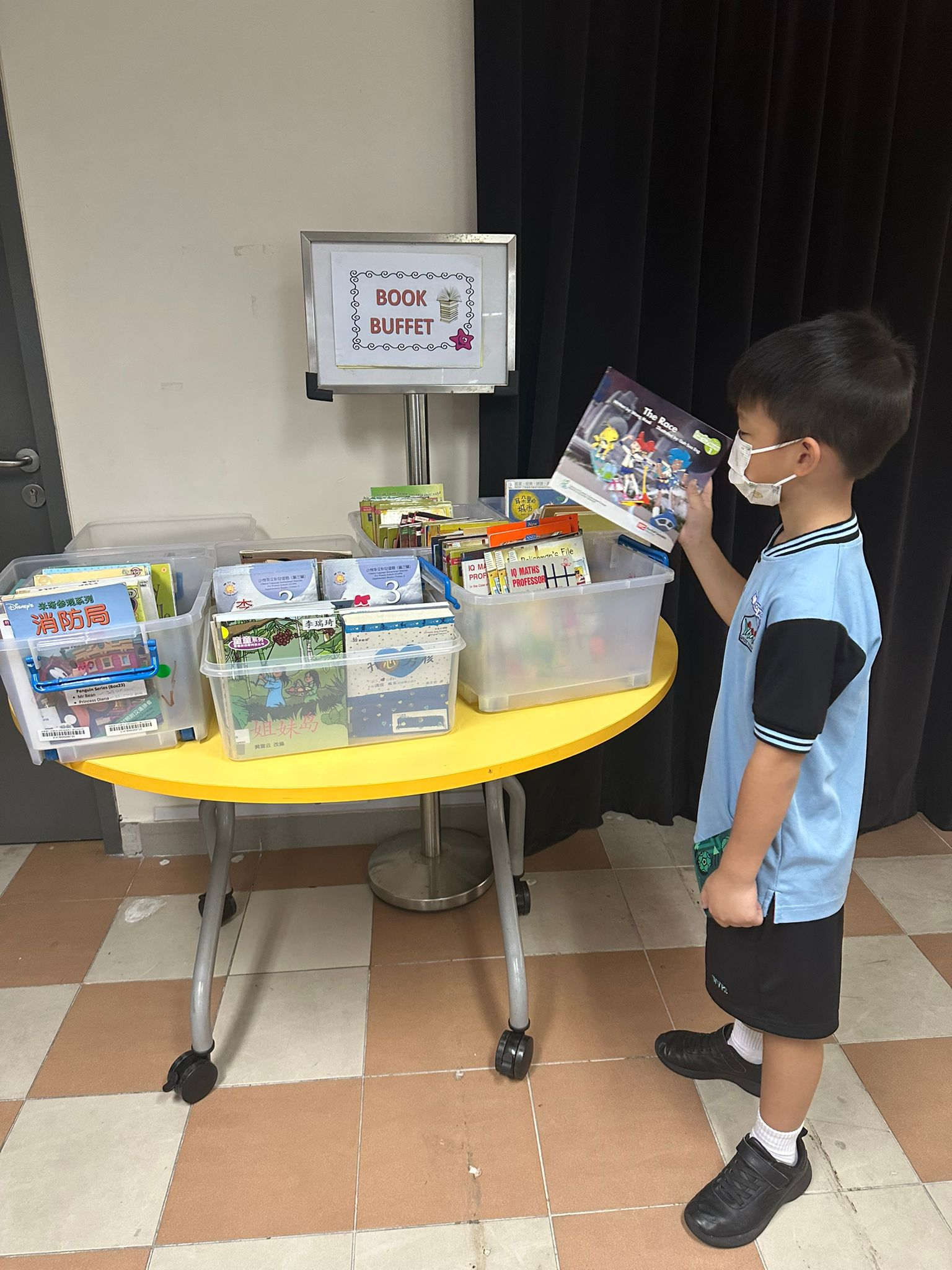
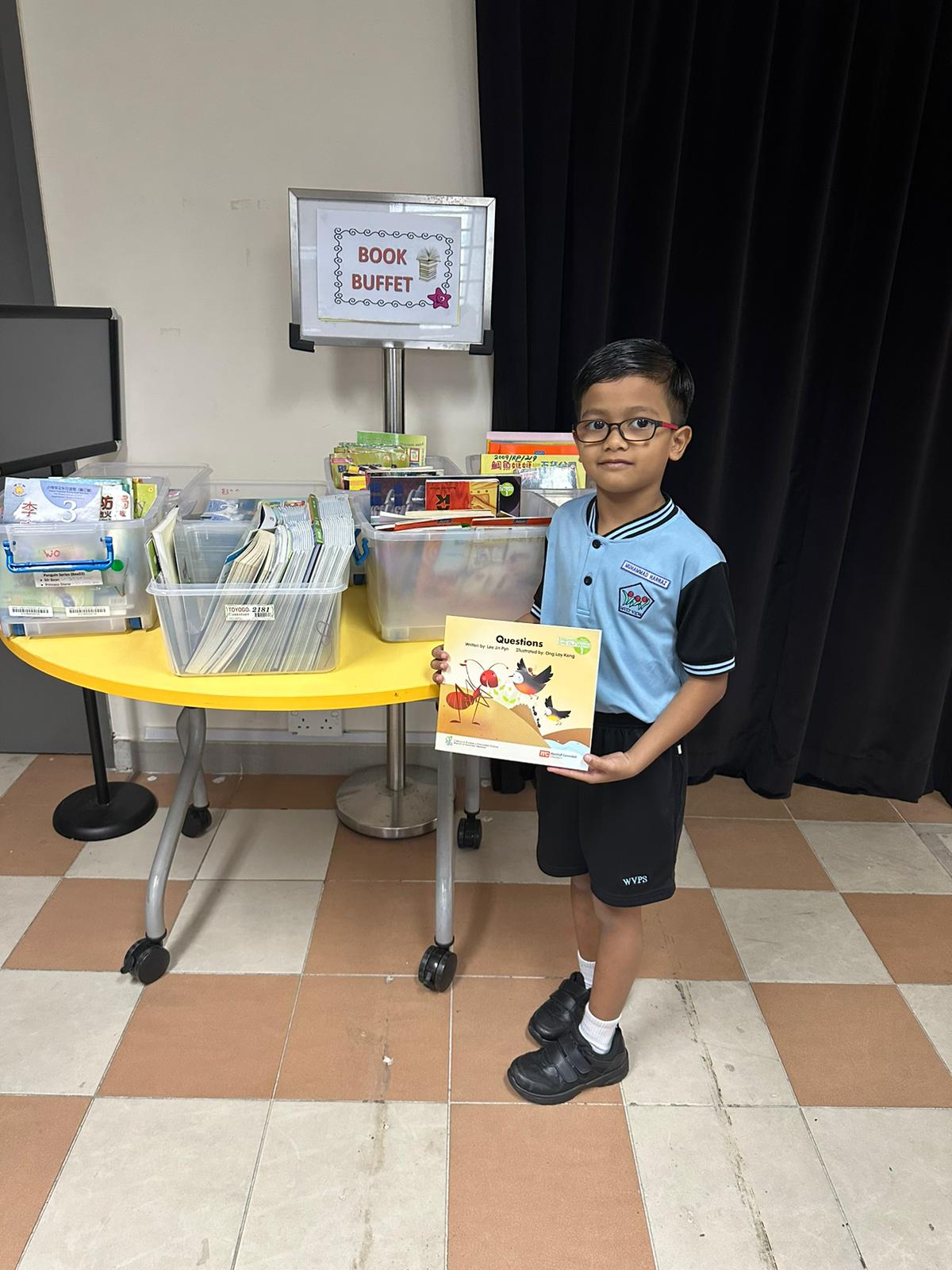
READ Programme
During READ periods, P1 and P2 West Viewans will be actively engaged in reading graded books that allow them to inquire, relate and explore. These differentiated tasks in the READ booklets support the individual needs of the pupils where they explore a variety of graded books from different genres. After reading the text, they will be supported with different reading extension activities to provide them opportunities to show their understanding and practise their literacy skills.
|
|
|---|
Department Programmes
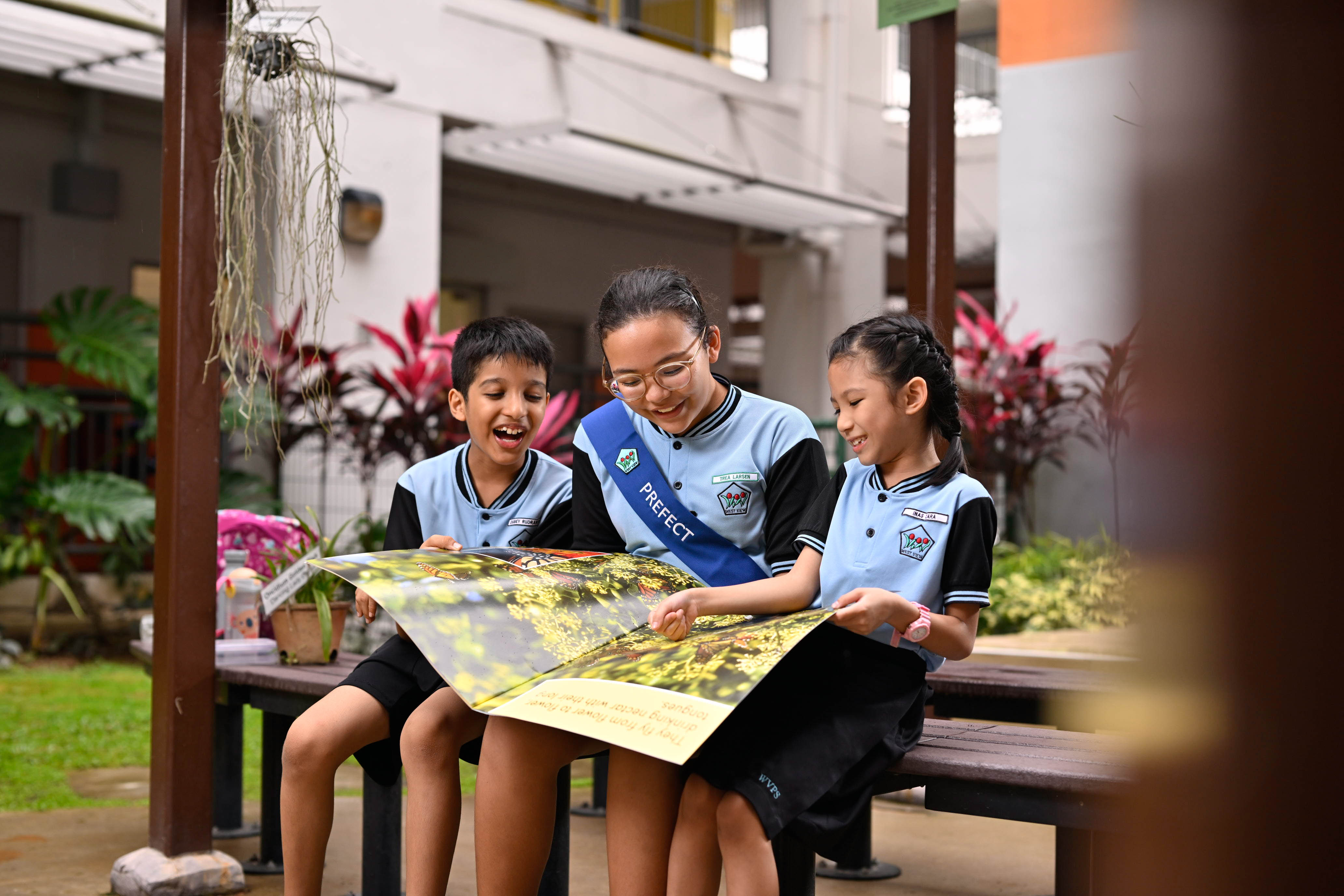
Reading
Our Philosophy
The school’s reading philosophy is based on i.R.E.A.D, which West Viewans Inquire, Relate, Explore, Appreciate and Discern.
As West Viewans explore thematic texts, they are also provided with suggestions to read other similar themed texts in various genres. Not only that, pupils are enthused to read and be curious about the world around them through weekly Extensive Reading lessons.
i.R.E.A.D@West View customises a set of structured reading programmes that aims to help our pupils pursue reading as an enjoyable activity. Some of the reading activities include READ periods and book floods by providing a variety of books in the class for the pupils to choose from.
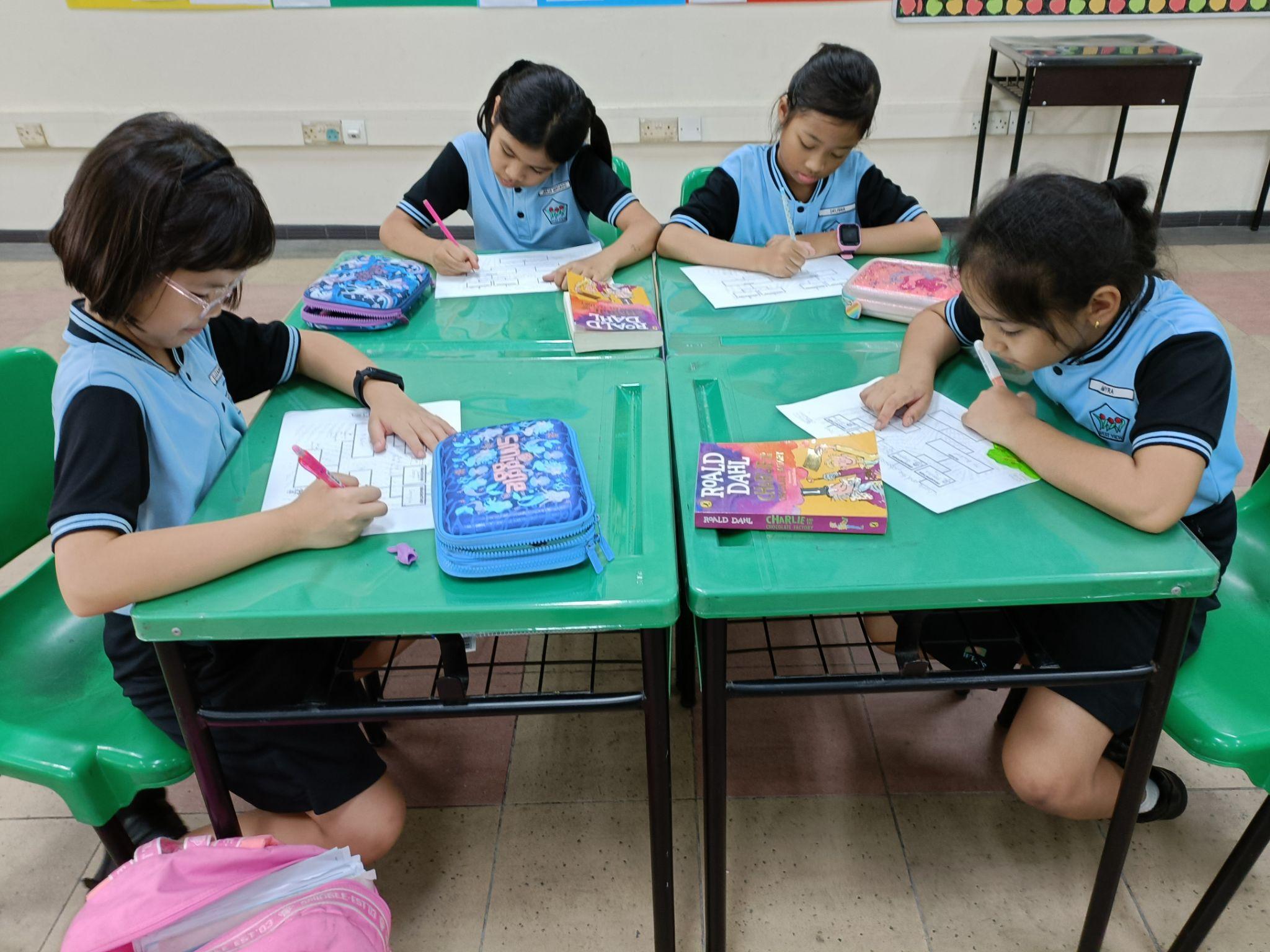
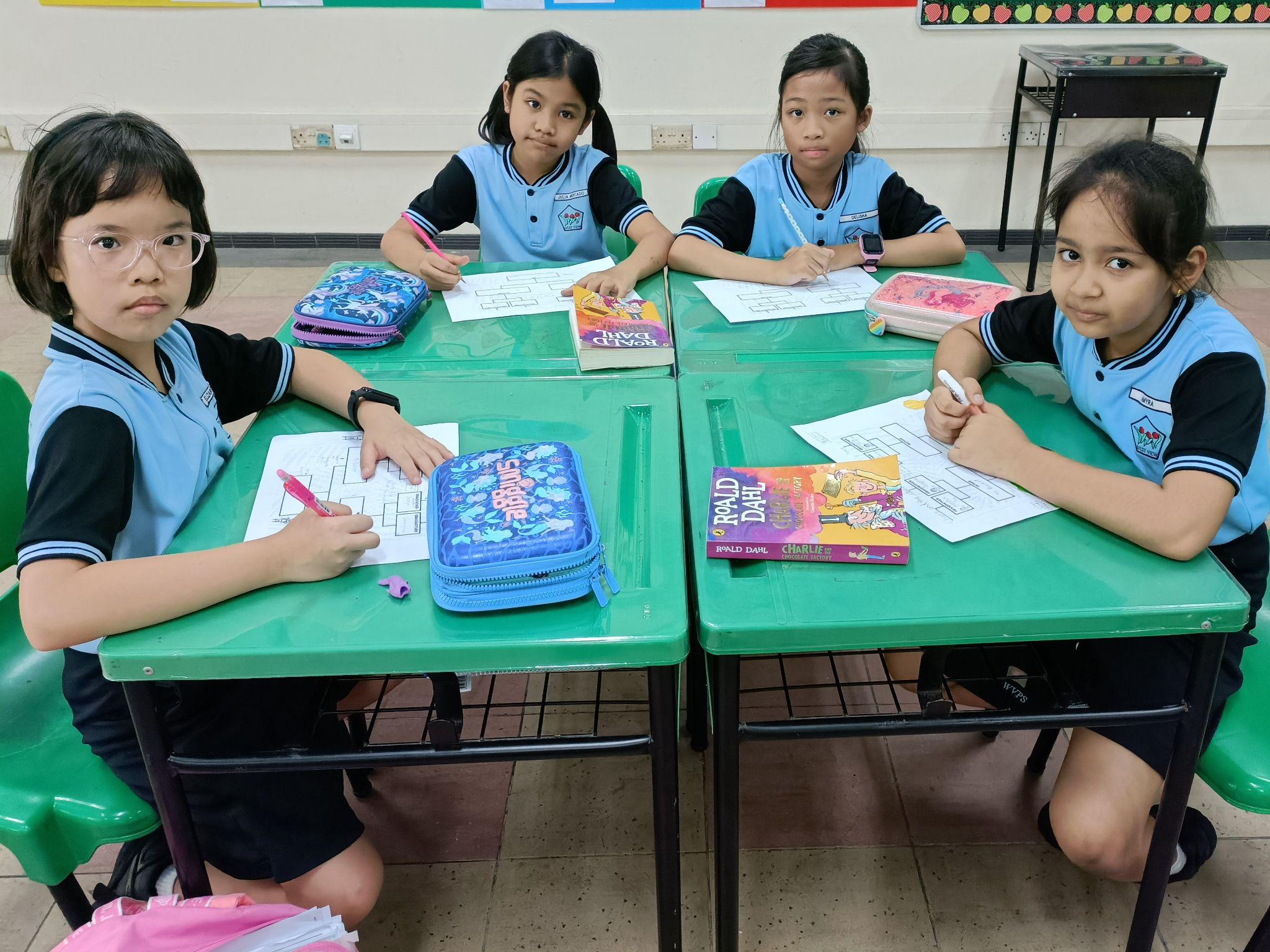
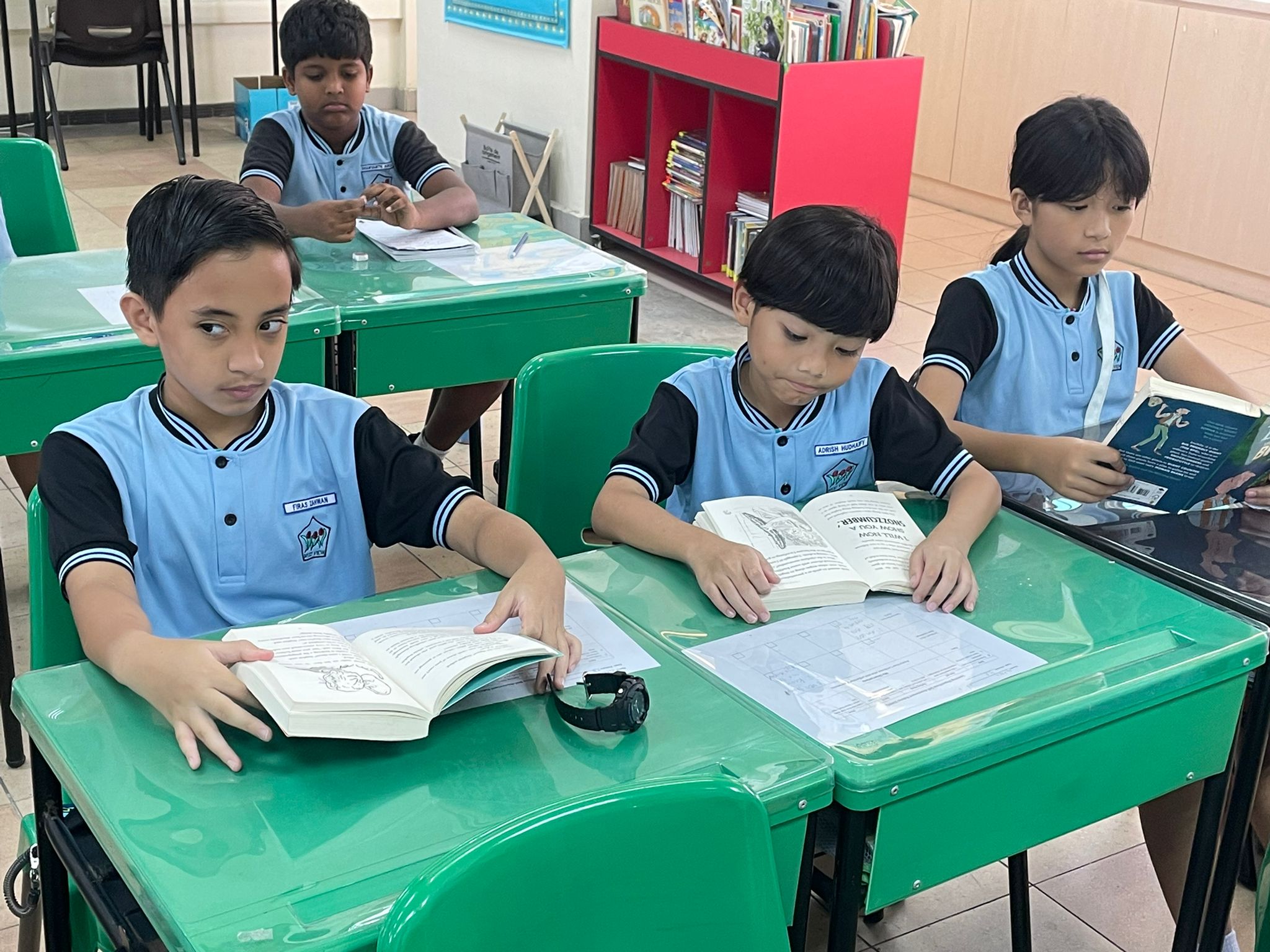
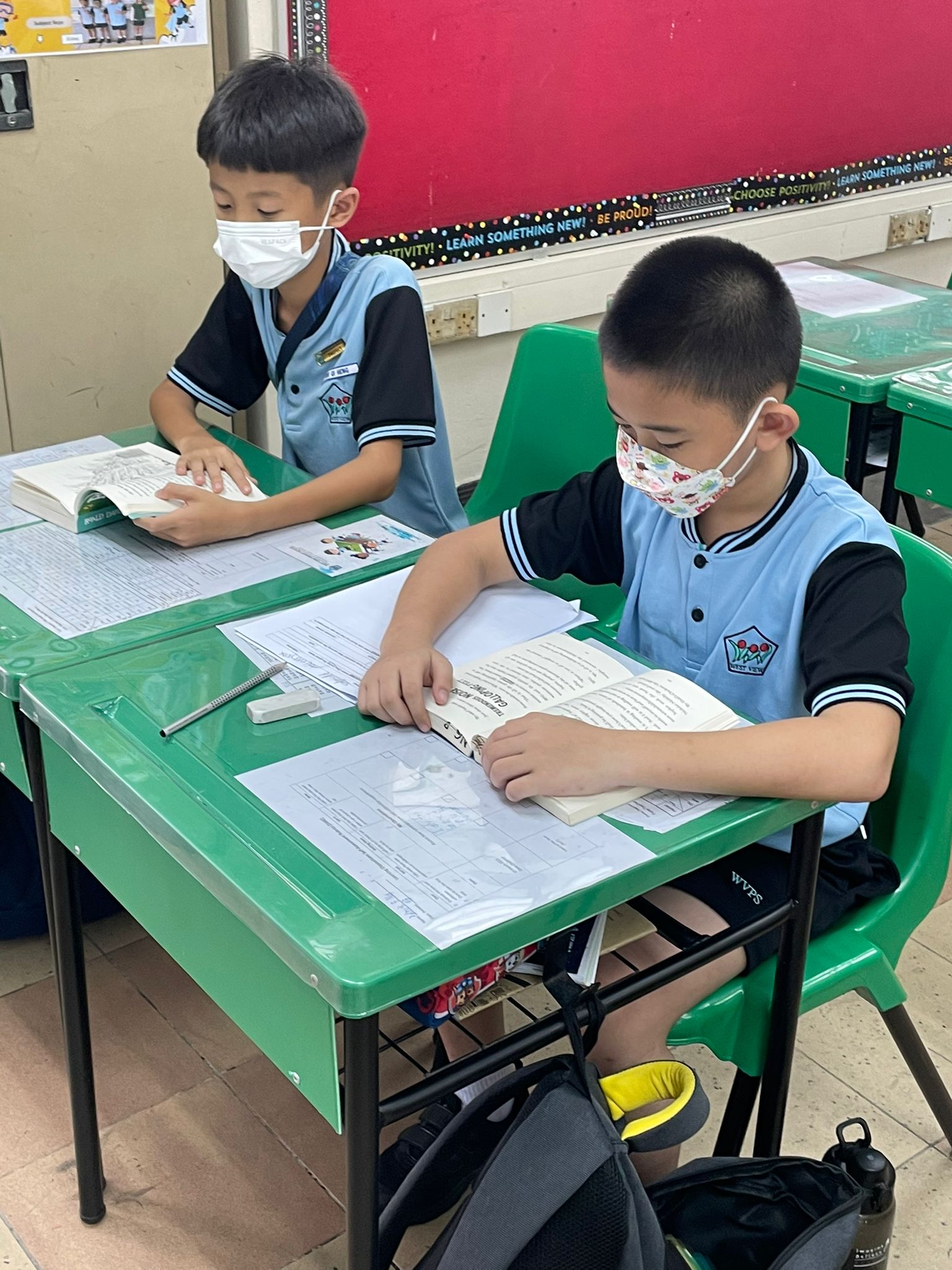
Literature Appreciation for Primary 3 and 4 pupils
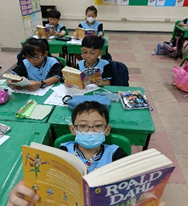
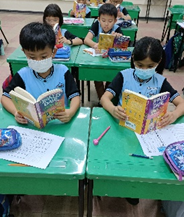
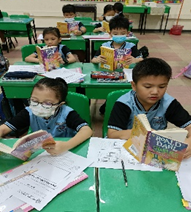
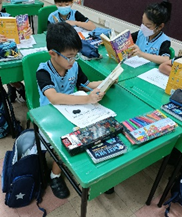
For our Middle Primary West Viewans, apart from the fortnightly library visits, they will embark on a literature appreciation programme which allows them to inquire, relate, explore and appreciate. They will understand and appreciate the literature stylings of Roald Dahl.
Primary 3 pupils engaged in a novel study during extensive reading
|
|
|---|---|
|
|
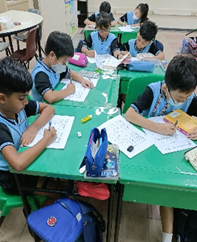
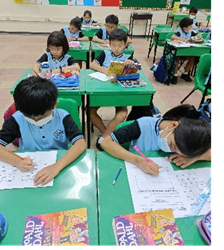
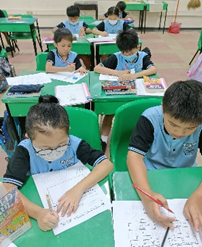
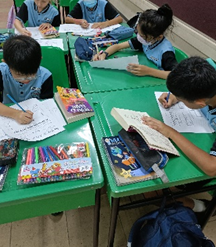
Pupils engaged in post-reading activities of the novel
|
|
|
|
|---|---|---|---|
|
|
||
Primary 4 pupils engrossed in reading “Big Friendly Giant”
|
|
Primary 5 Literature Programme
Our Primary 5 pupils had the opportunity to work alongside with ASCD (Association
for Supervision and Curriculum Development) on a project with our local
authors in Singapore. The purpose of this project is to encourage the reading
of Singapore literature by our pupils with their teachers and the local
authors.
Our pupils read a chosen book and explored selected reading activities. They even met up with the local authors who engaged the pupils with a presentation, activities and an insightful question and answer session.
Primary 5 pupils being attentive and participative during the sessions
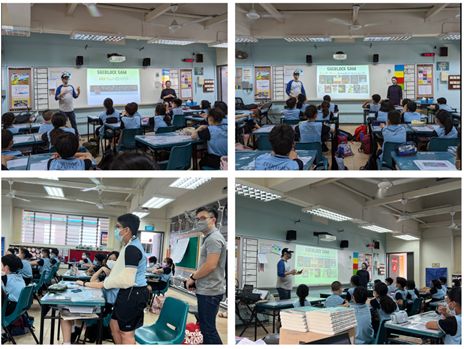
Current Affairs for Primary 5 and 6 pupils
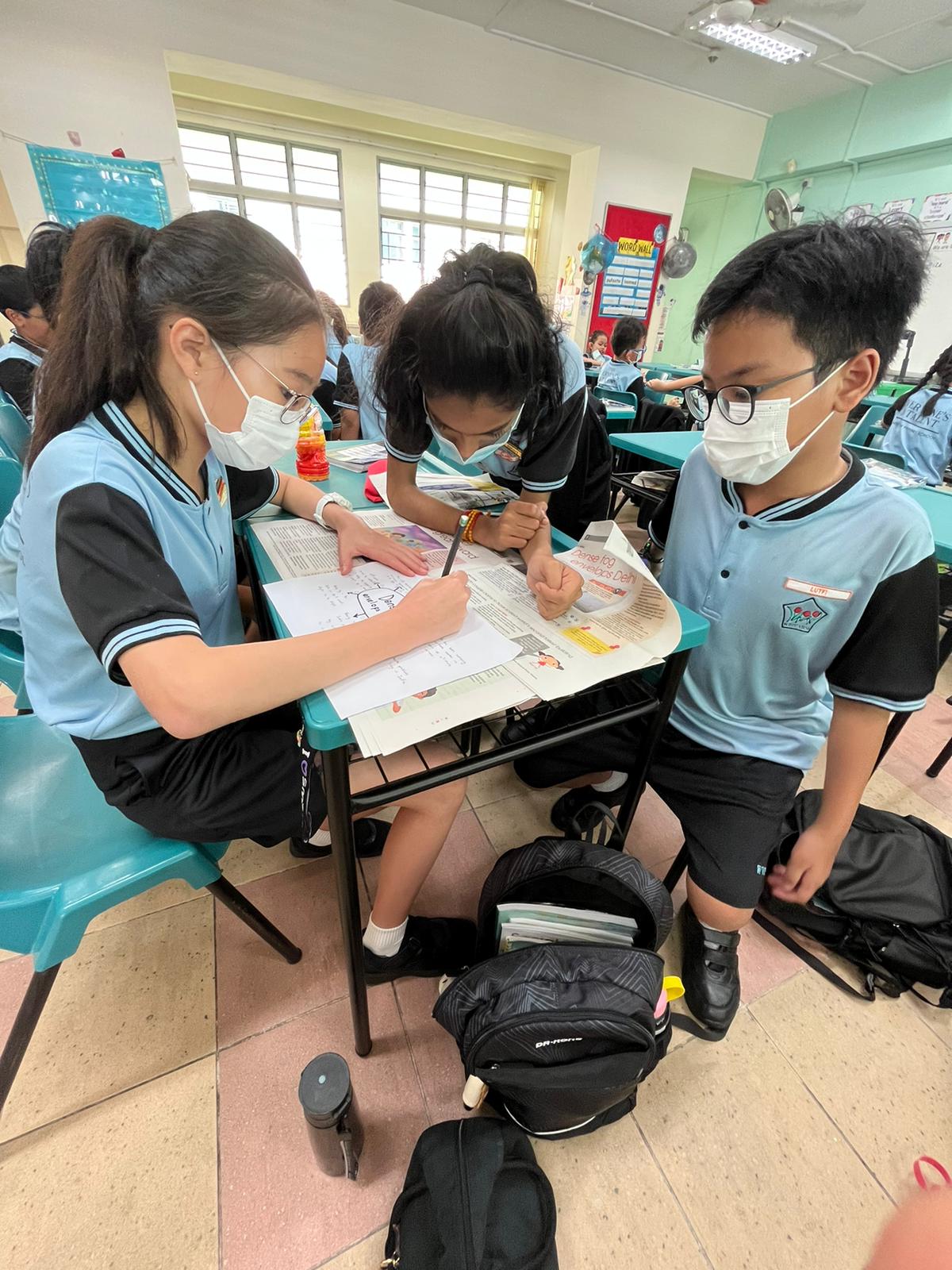
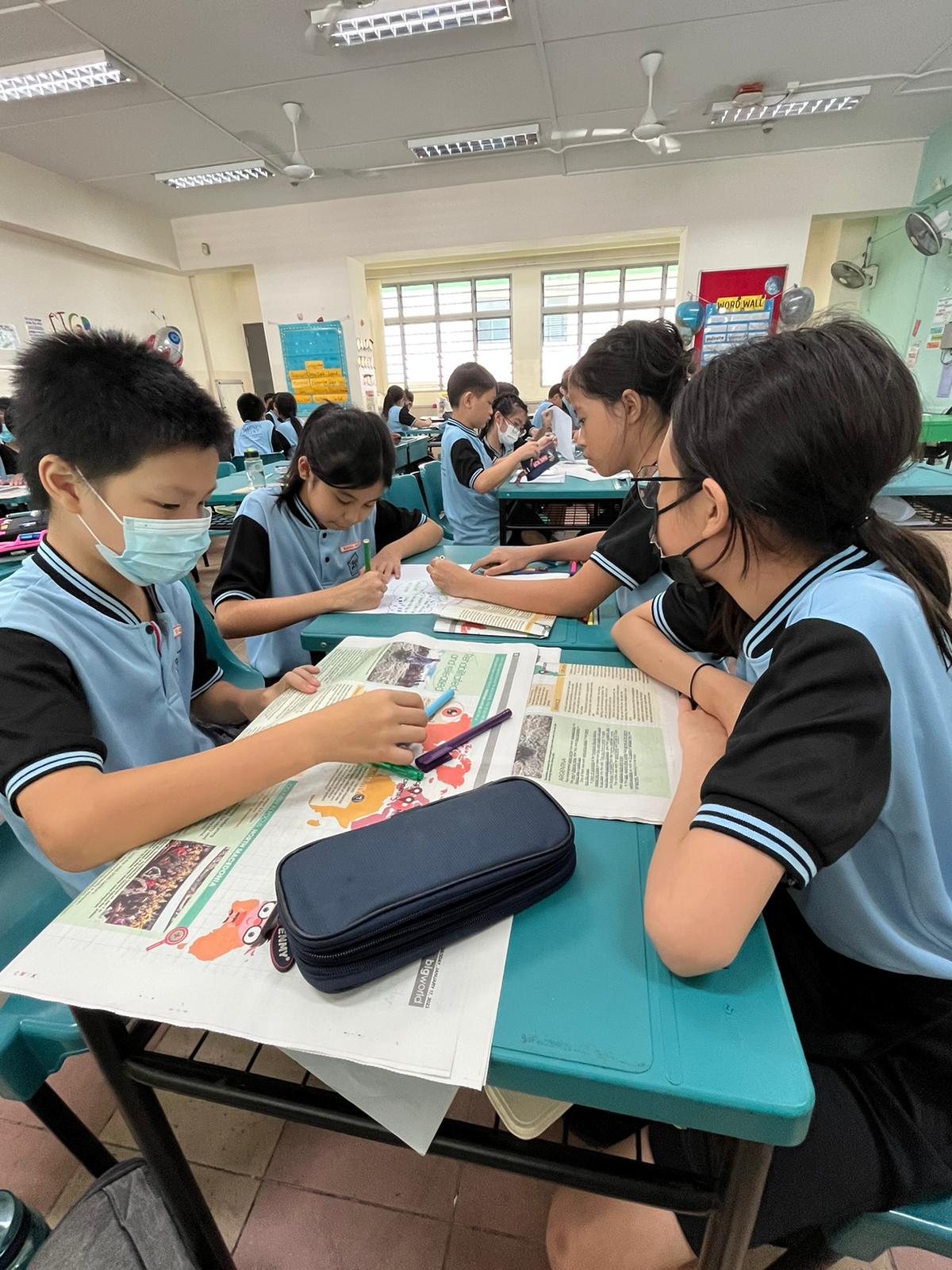
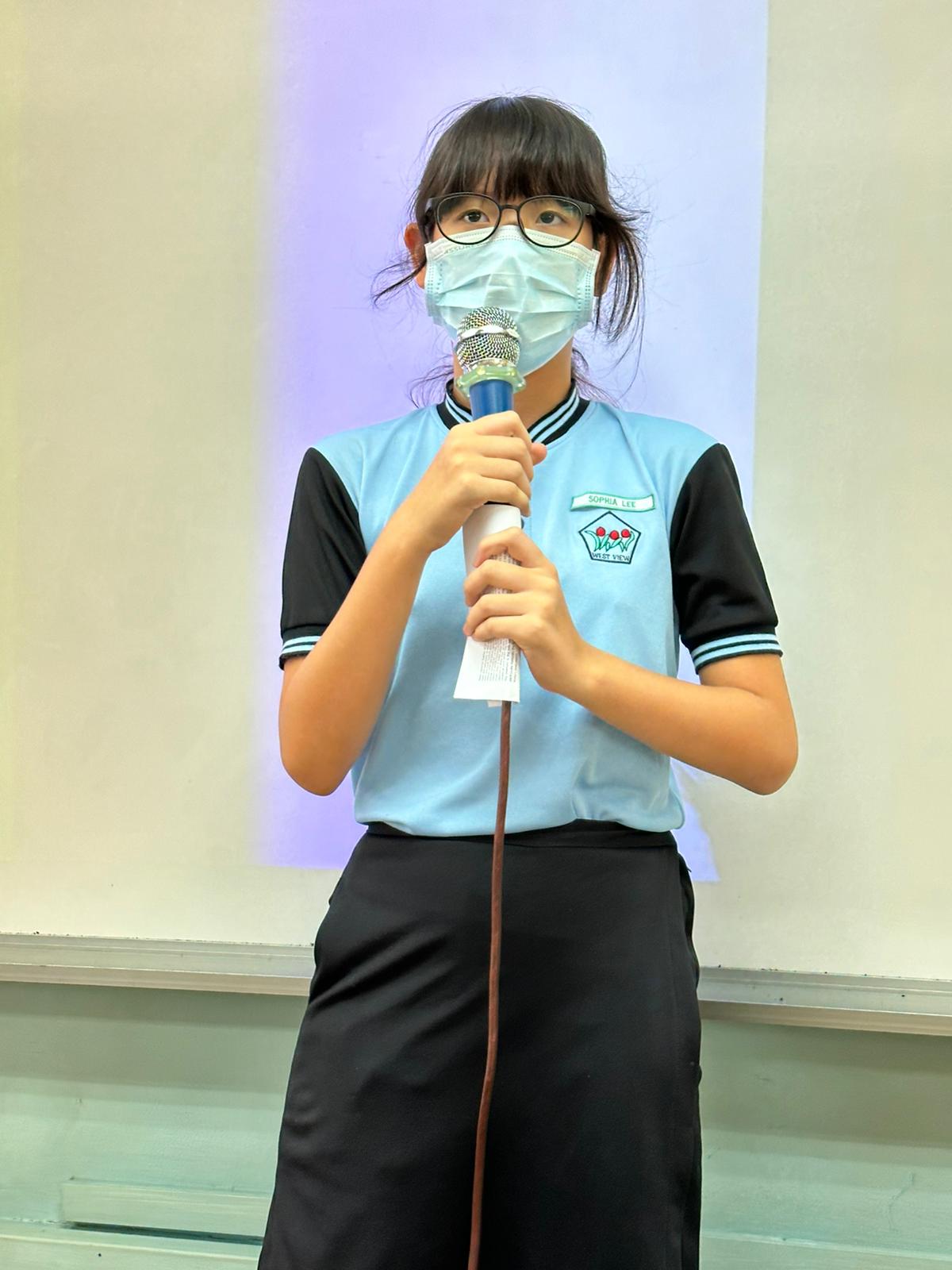
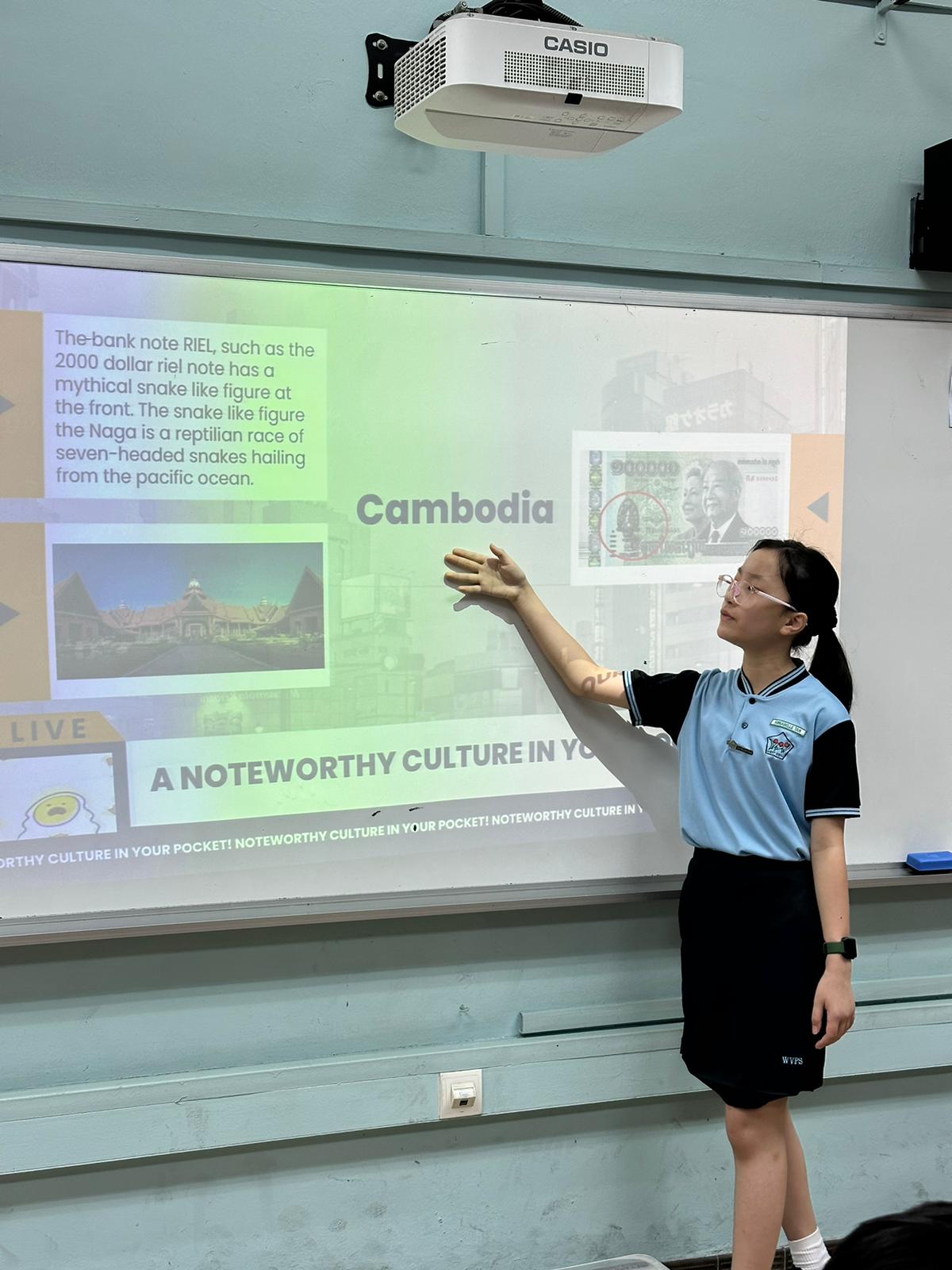
At West View Primary, we believe in helping our pupils become discerning readers. Thus, the Upper Primary pupils are exposed to news articles from The Little Red Dot fortnightly to inquire and relate to the events that are not just happening around them in Singapore but also around the world. The pupils get to read and discuss the articles they have read. Not only does the news broaden their general knowledge, but it also allows them to understand the functional use of the language.
|
|

|
|---|---|---|

|

|

|
Pupils get to discuss the different text types found in the newspaper
|
|
|---|
Speaking Programmes
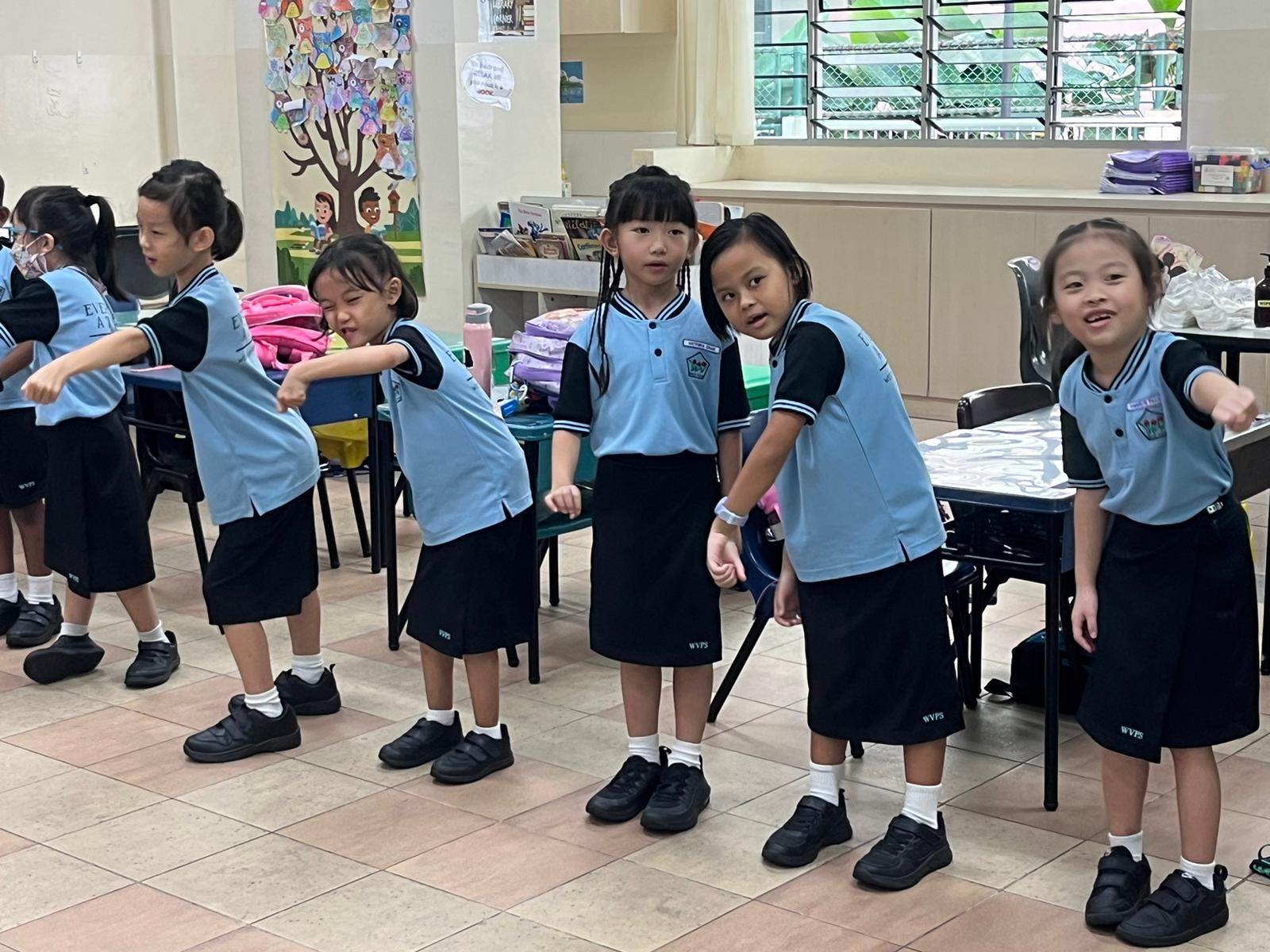
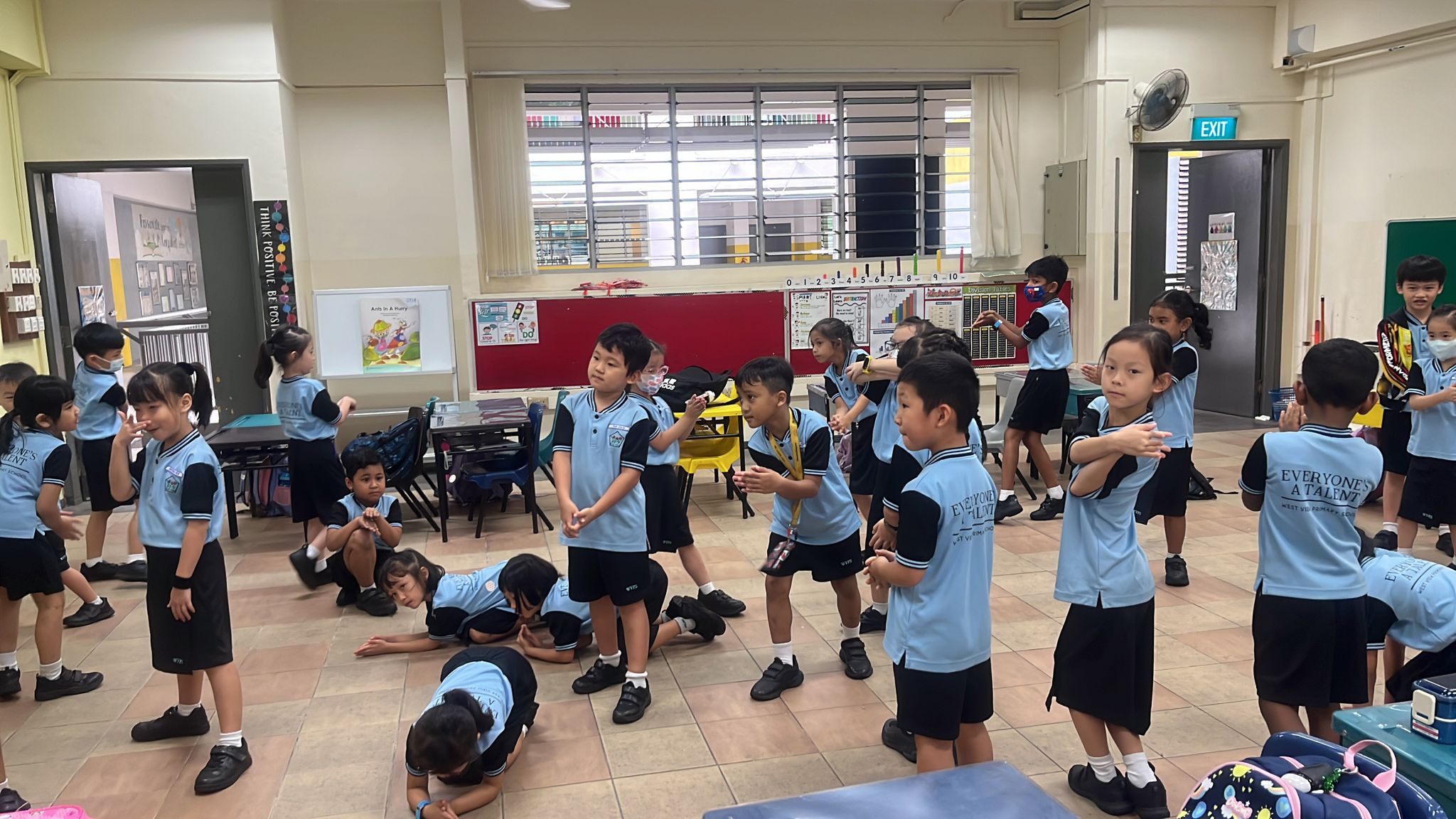
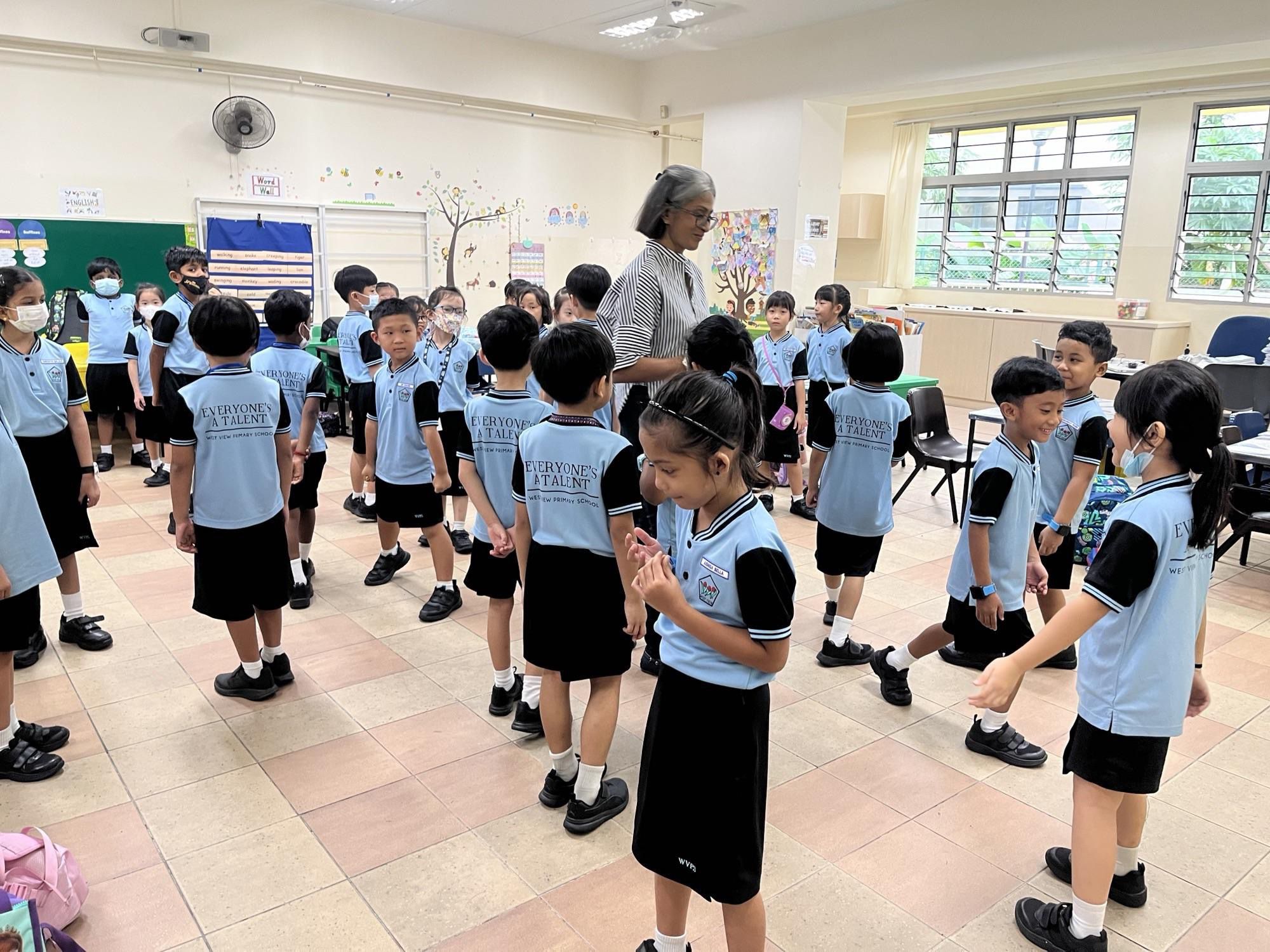
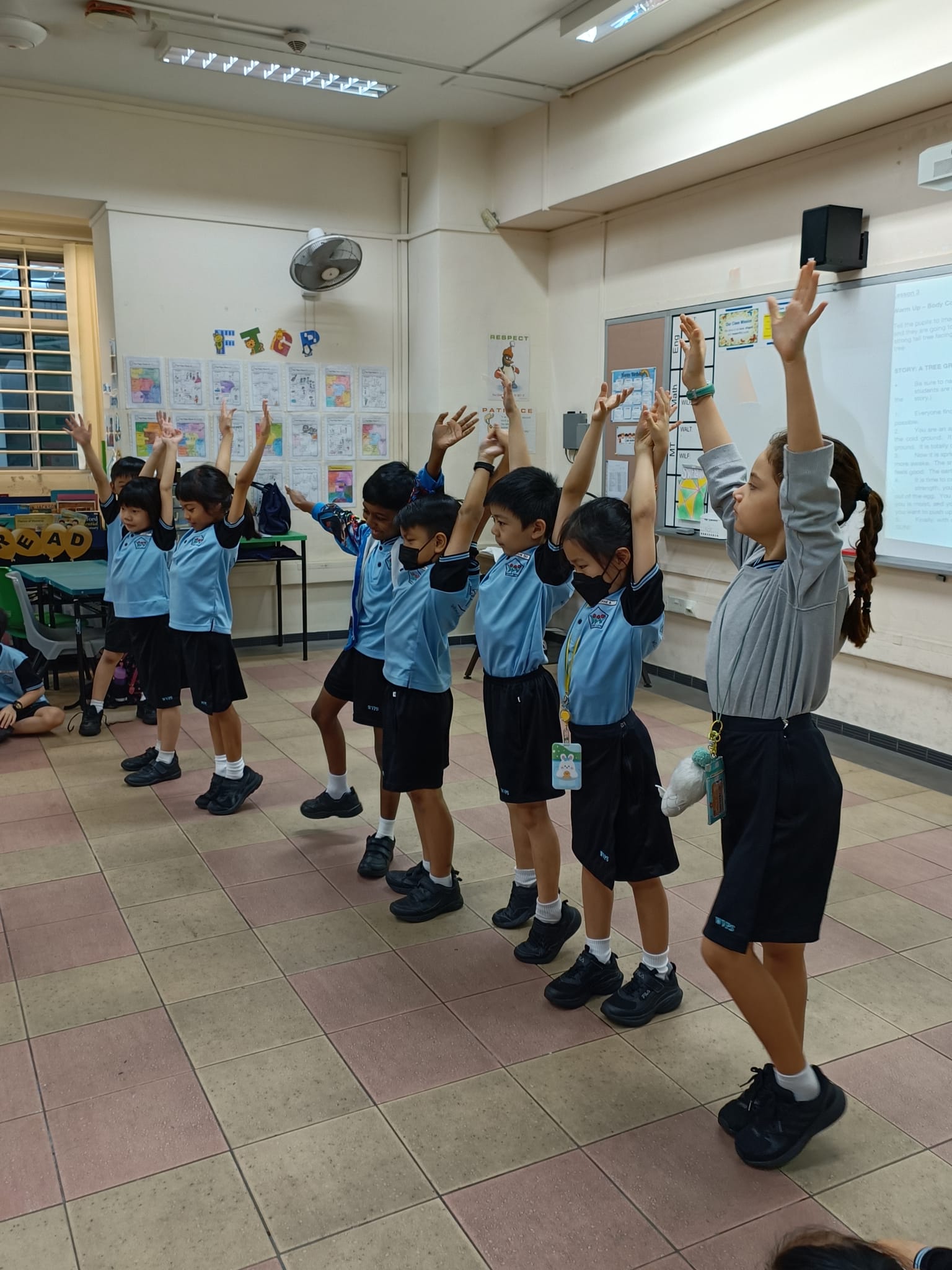
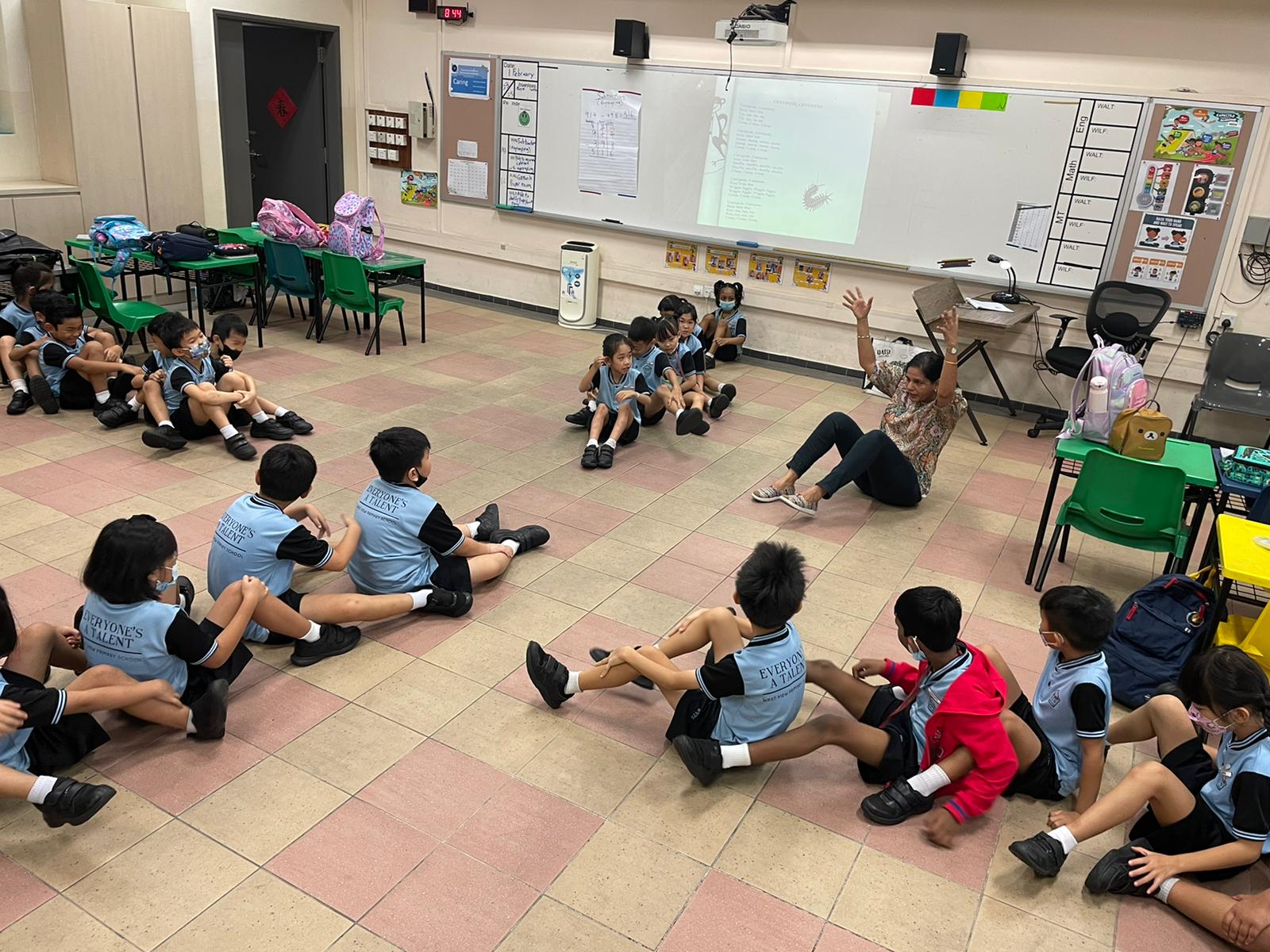
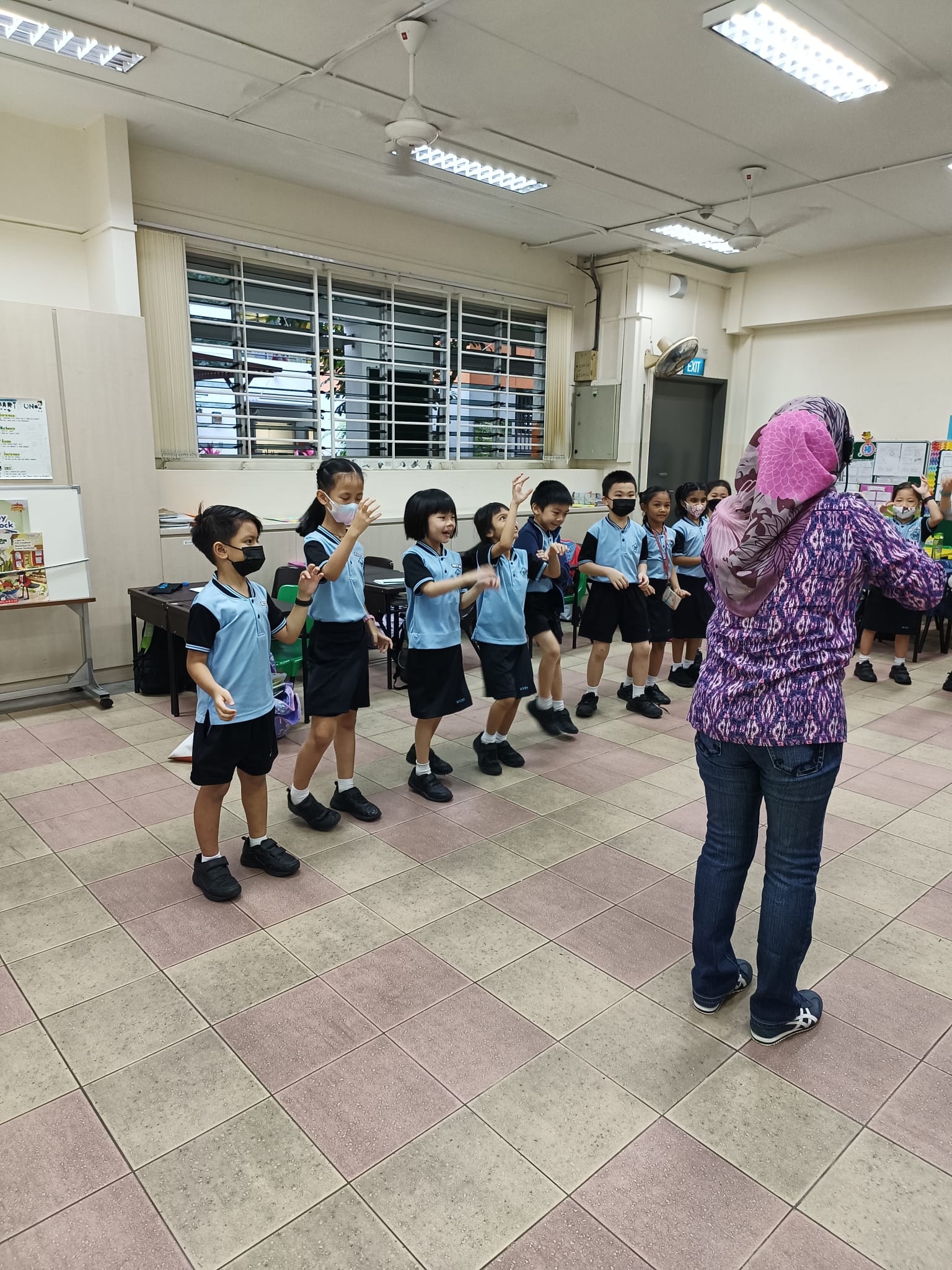
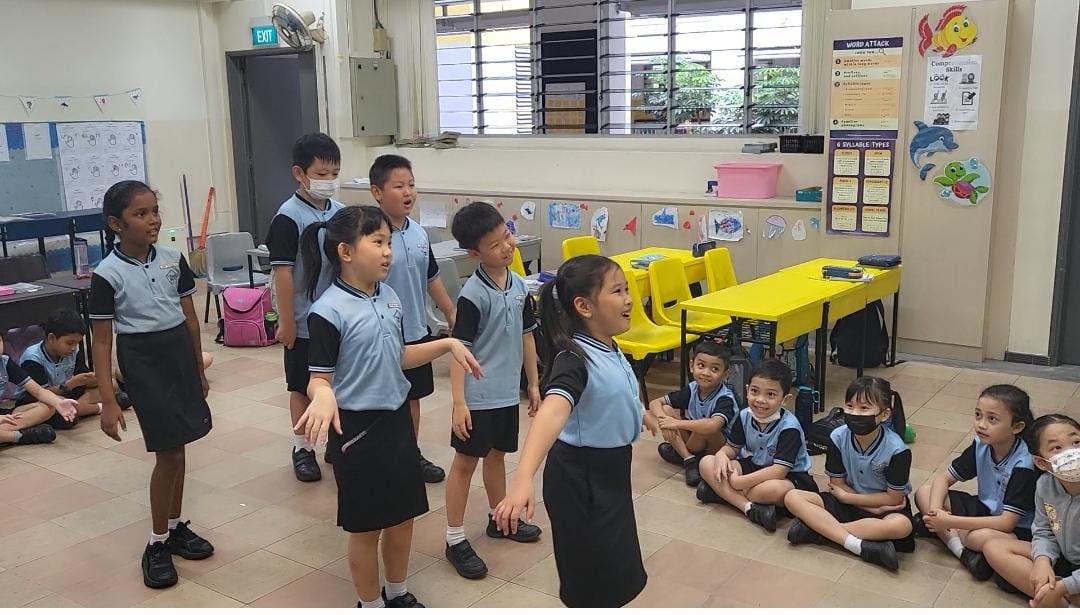
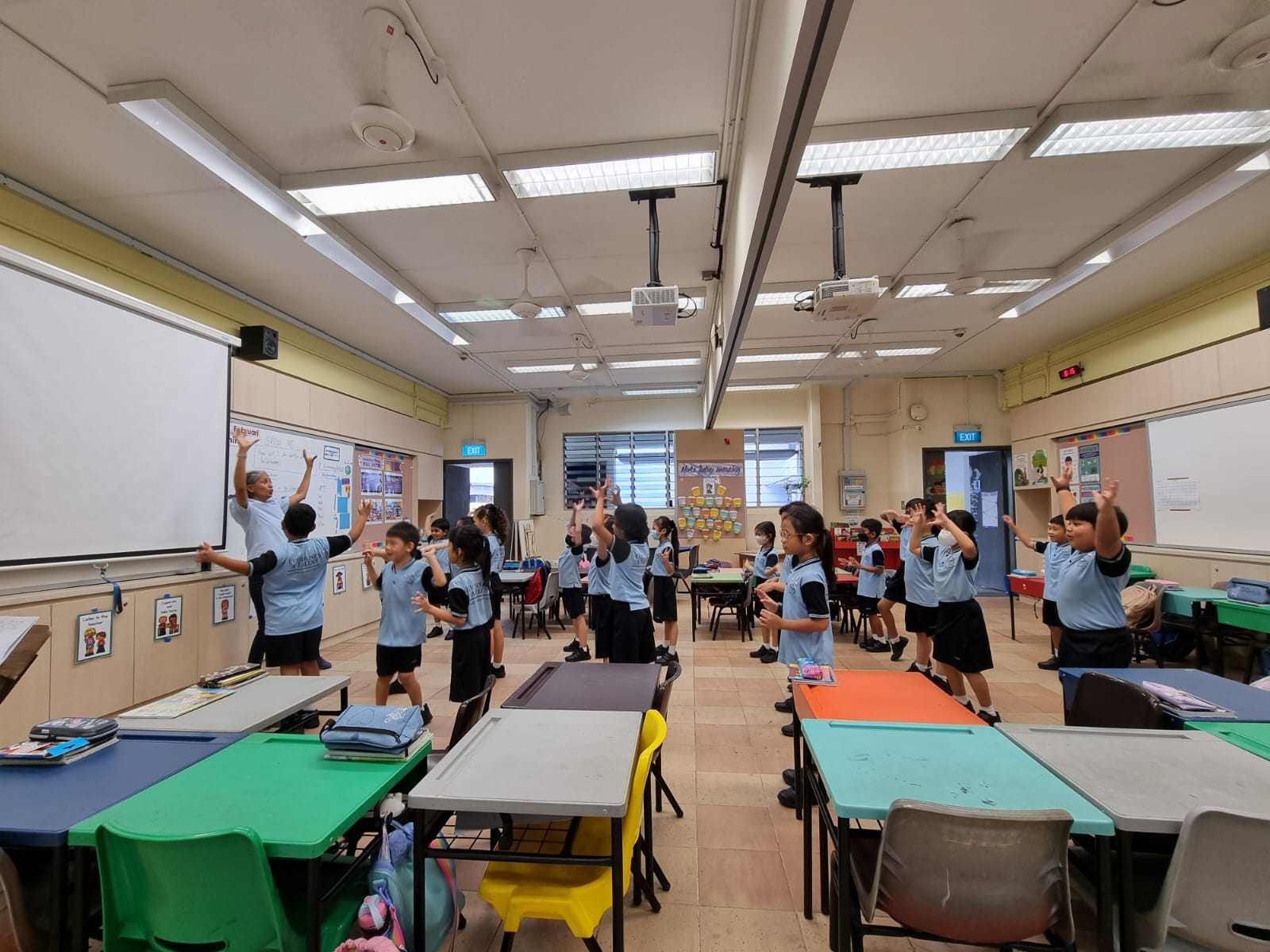
Primary 1 and 2 Speech and Drama
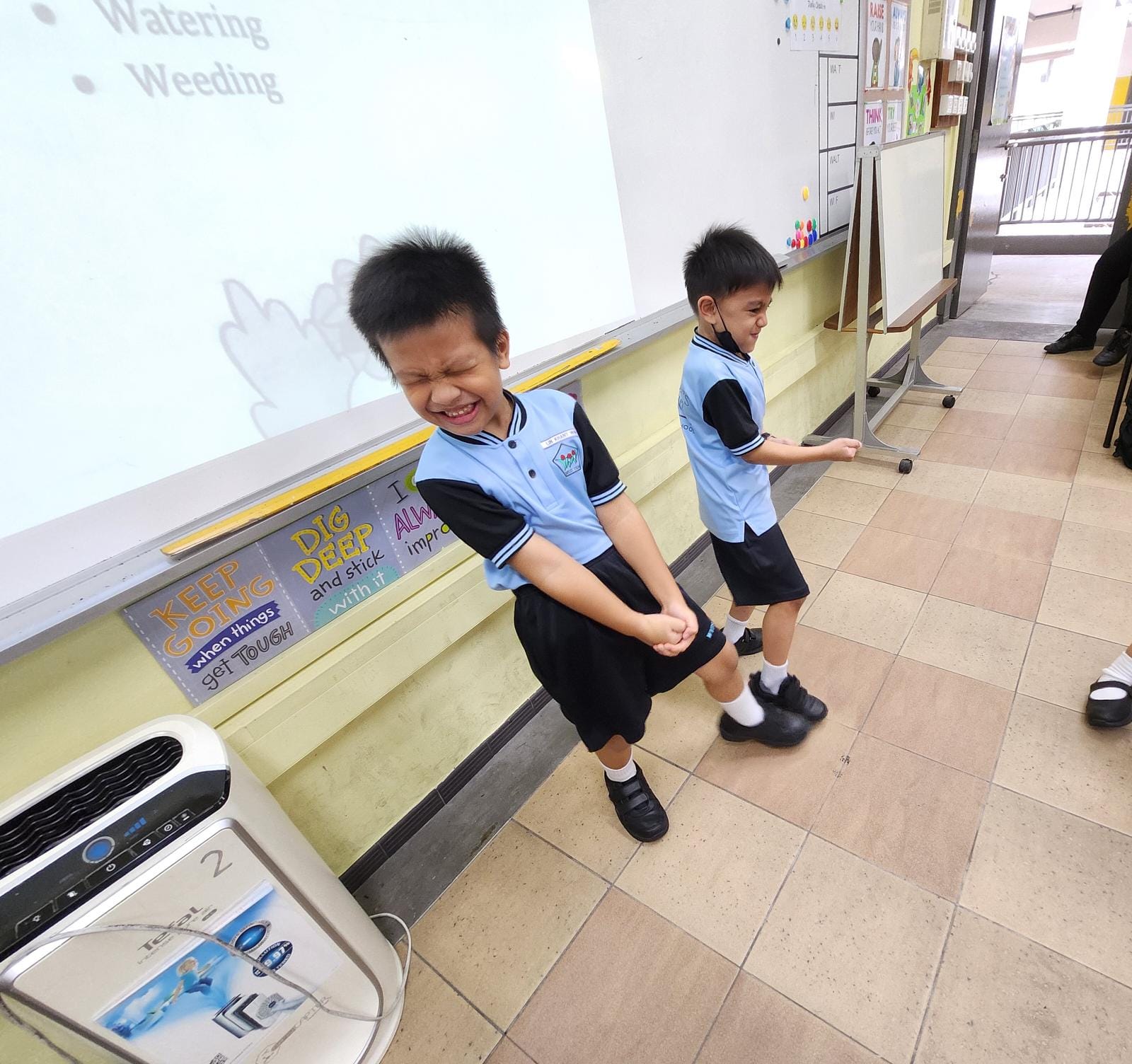
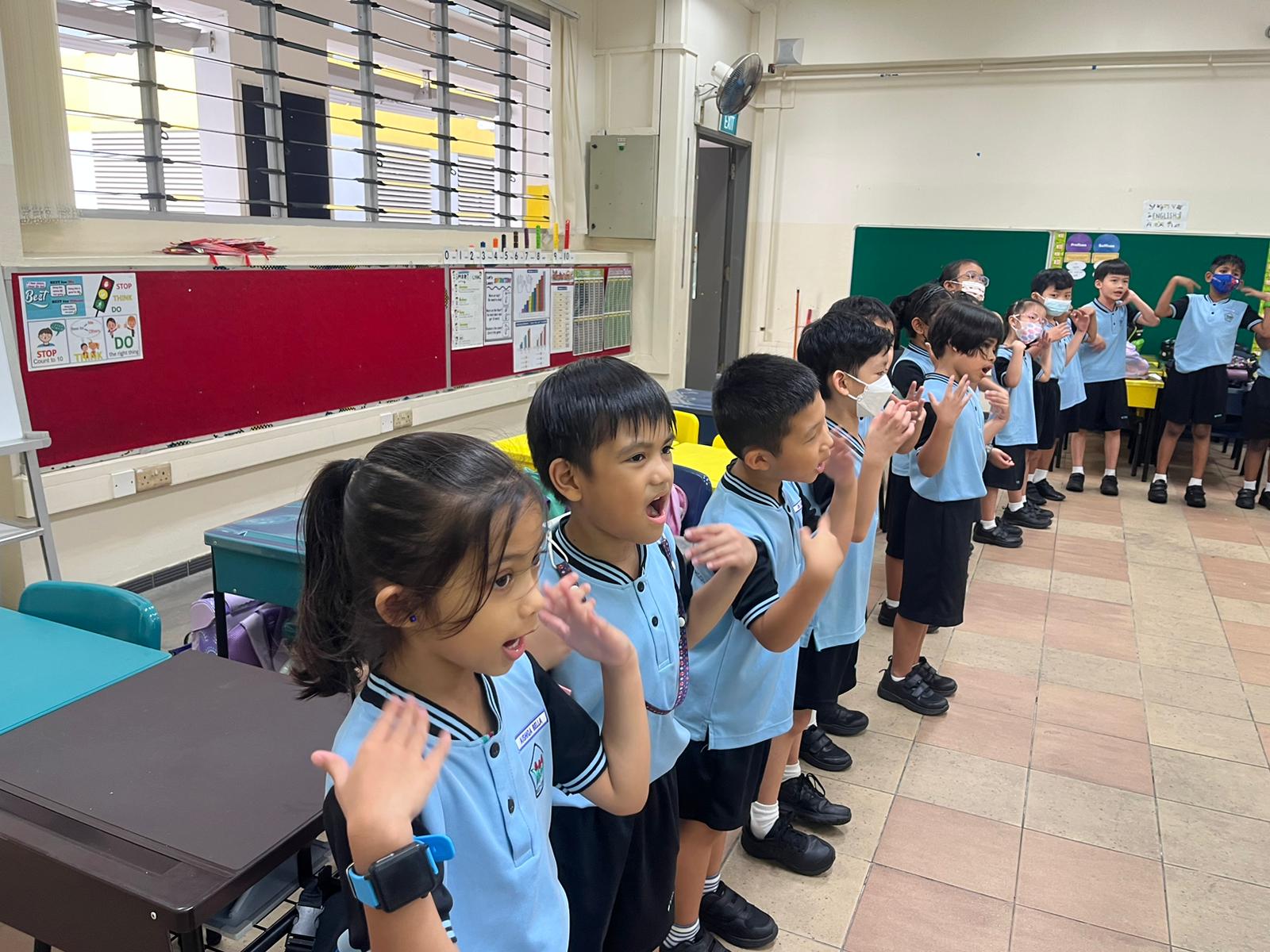
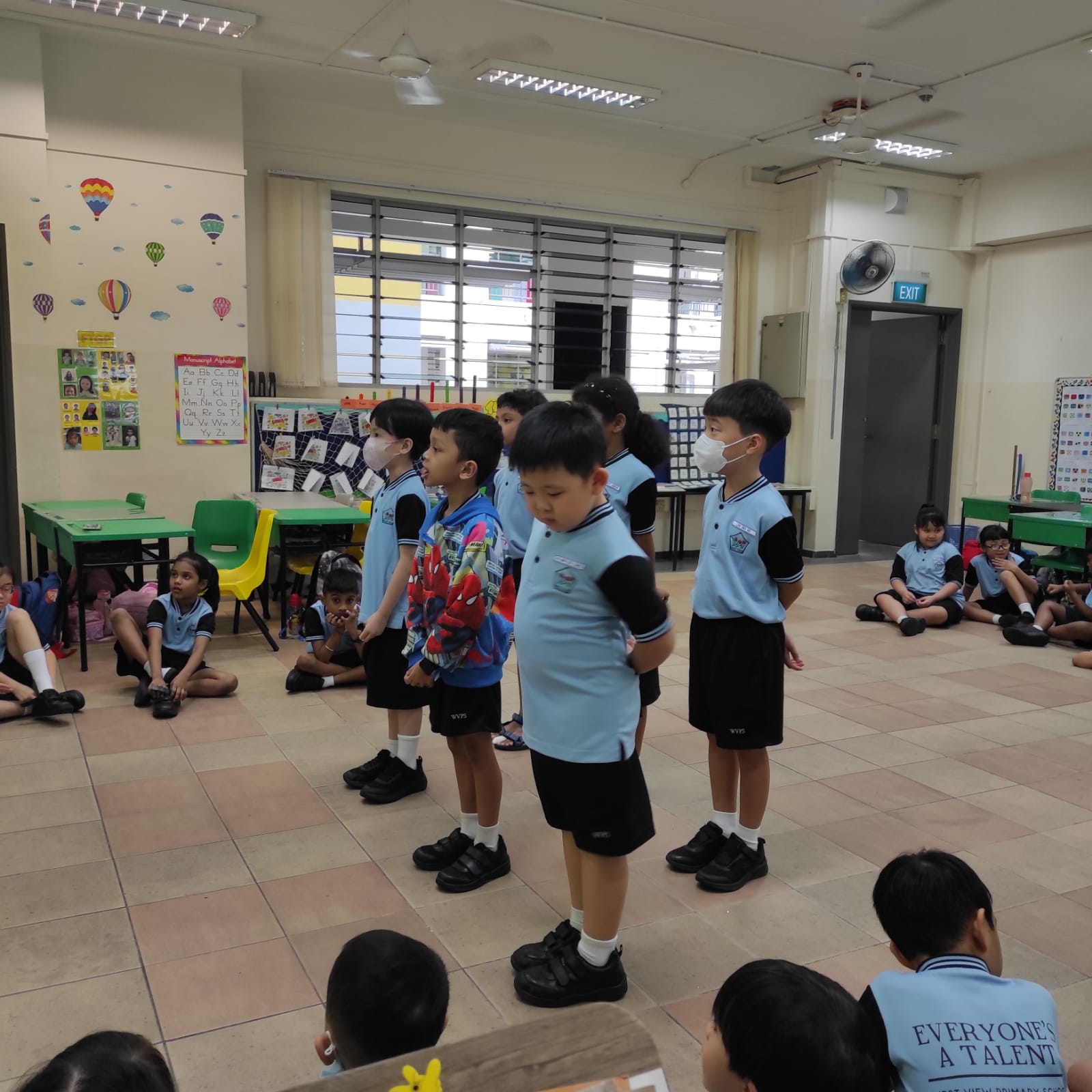
Our Primary 1 and 2 pupils participate in the Speech and Drama Enrichment
Programme. Through the enriching experience of learning to dramatise a
story and putting together a performance for an audience, our pupils develop
proficiencies in vocal expression, and spatial awareness and stage presence.
Lower primary pupils building their oracy skills through Speech and Drama
Primary 1
|
|
|
|---|---|---|
|
|
|
Primary 2
|
|
|
|---|---|---|
|
|

|
Primary 3 Public Speaking Programme
Building on the speaking skills the pupils have learnt in Primary 1 and
2, the Primary 3 pupils will go on to be equipped with skills that would
enable them to be an effective communicator. Through many speaking activities,
our pupils develop and hone their skills in vocal expression and engaging
the audience orally with the aid of ICT tools.
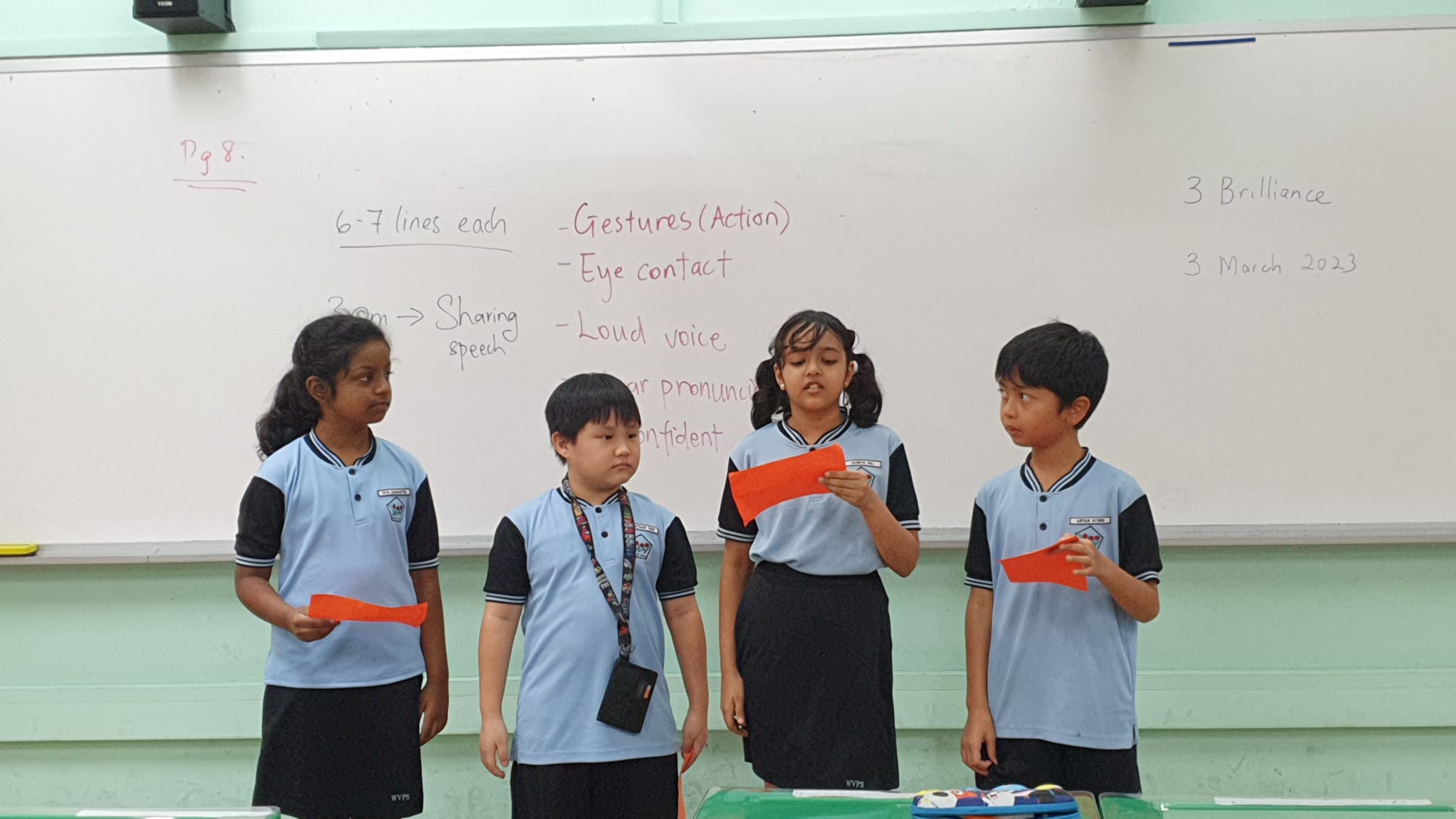
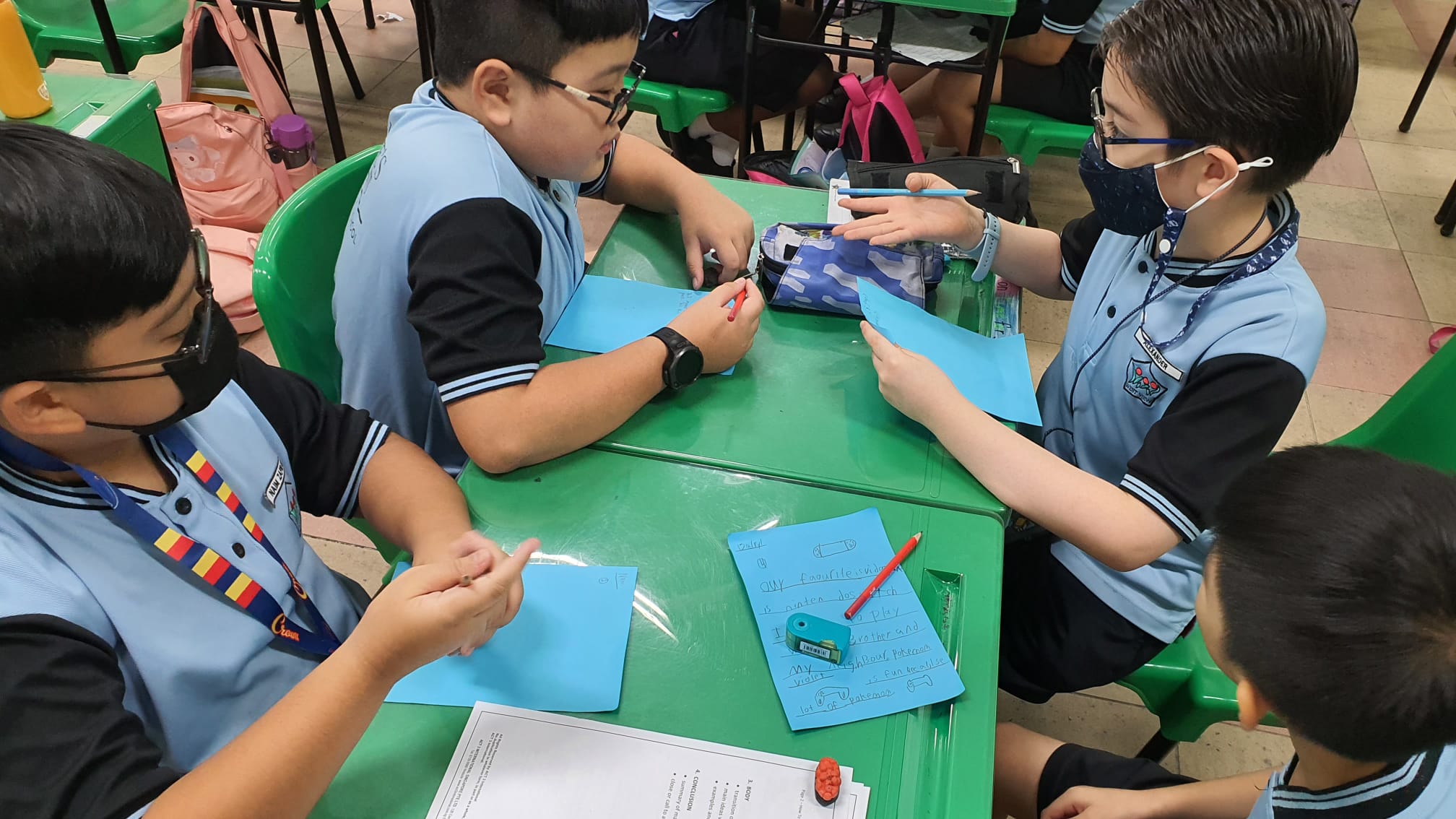
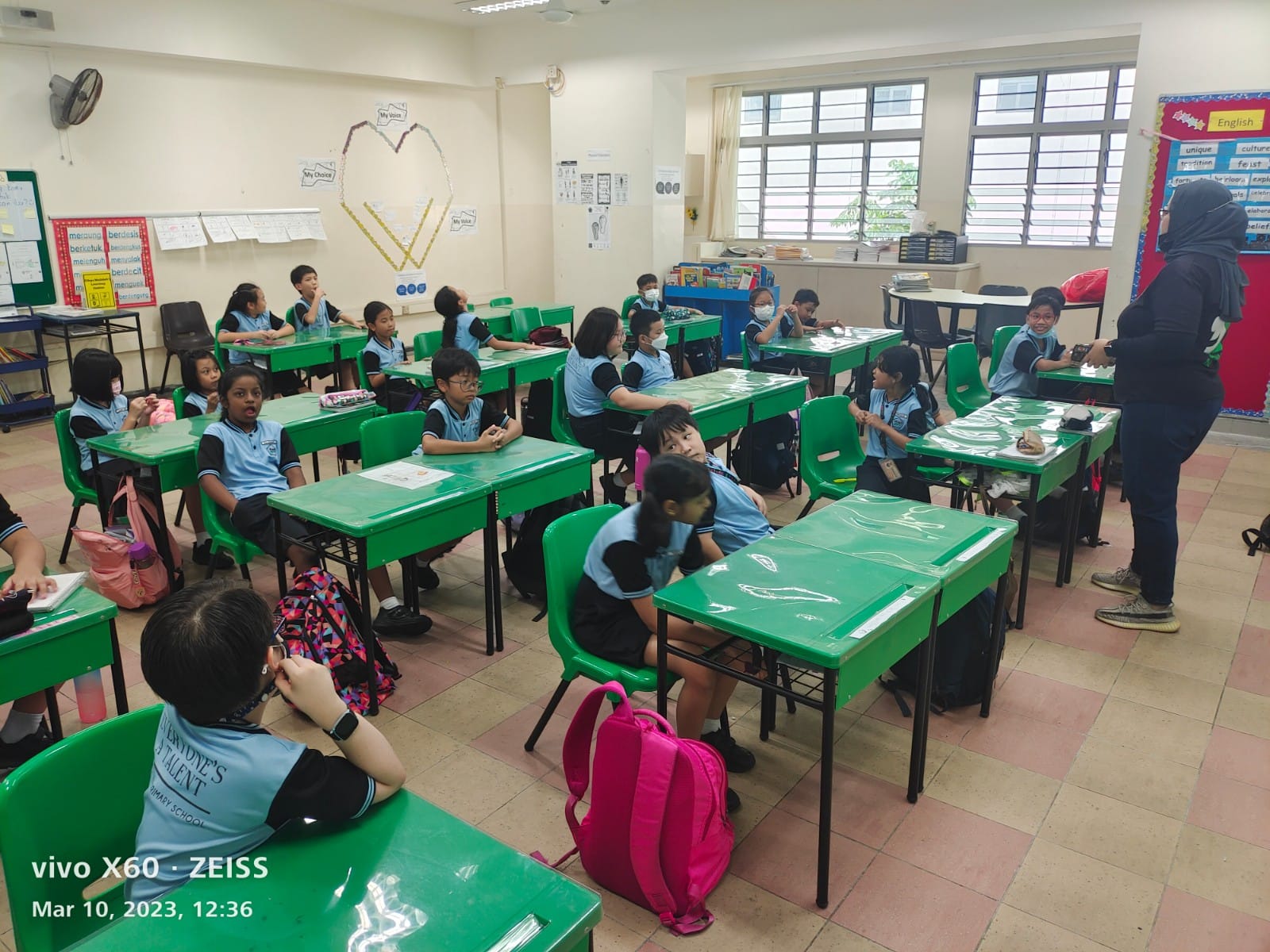
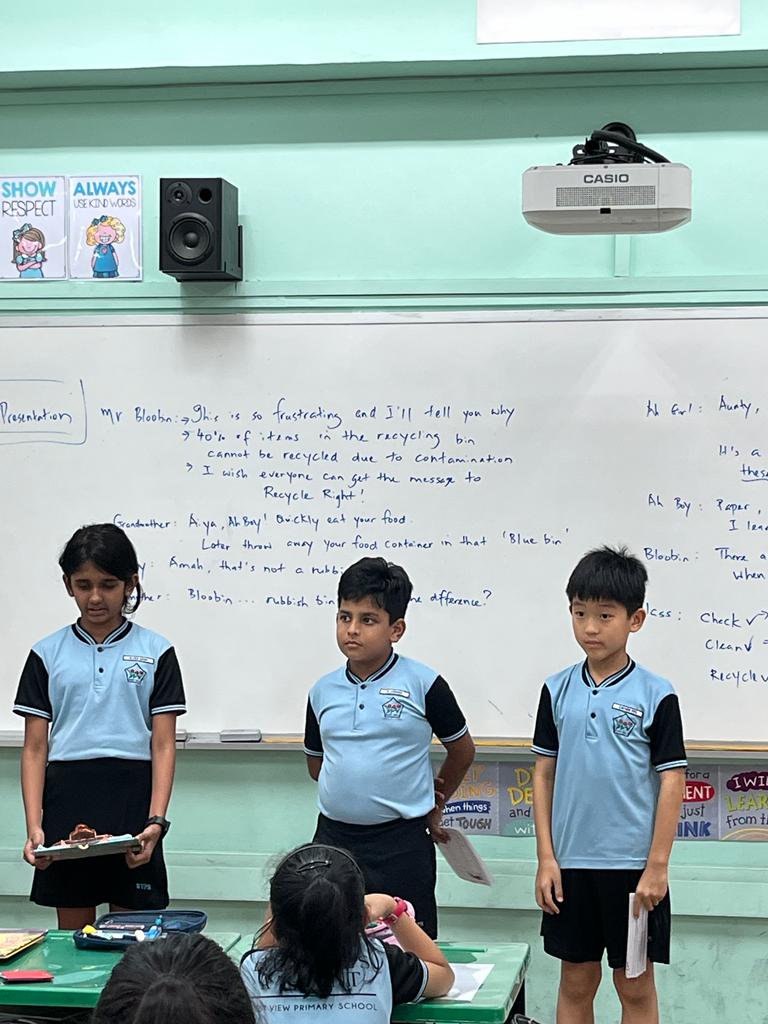
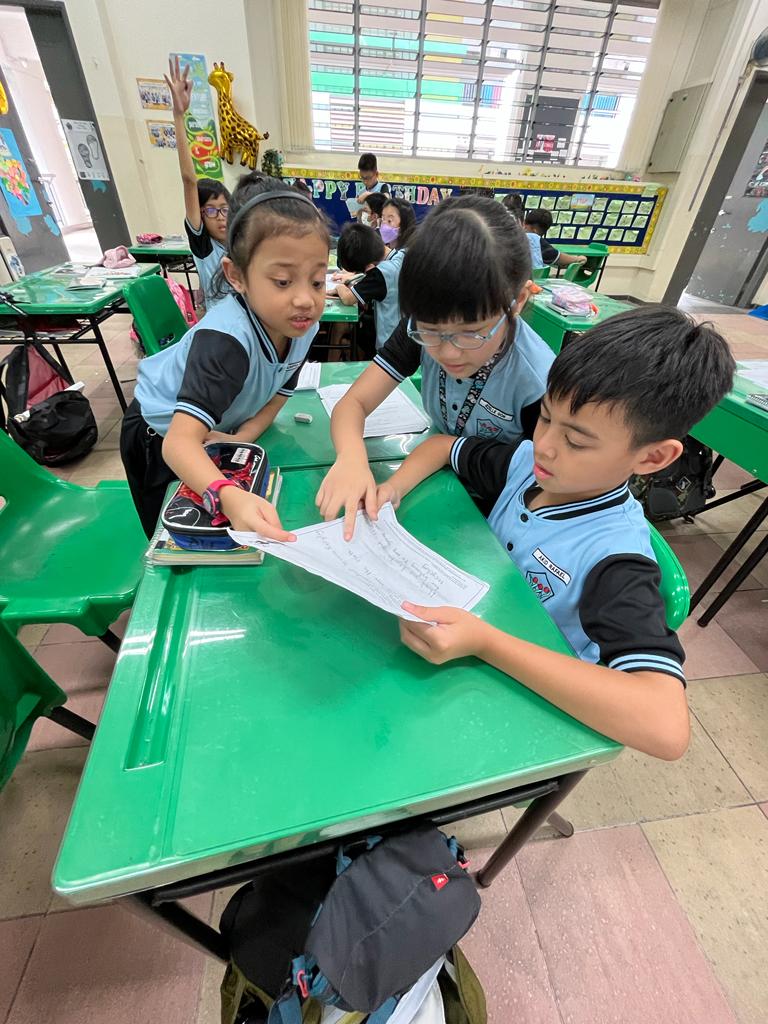
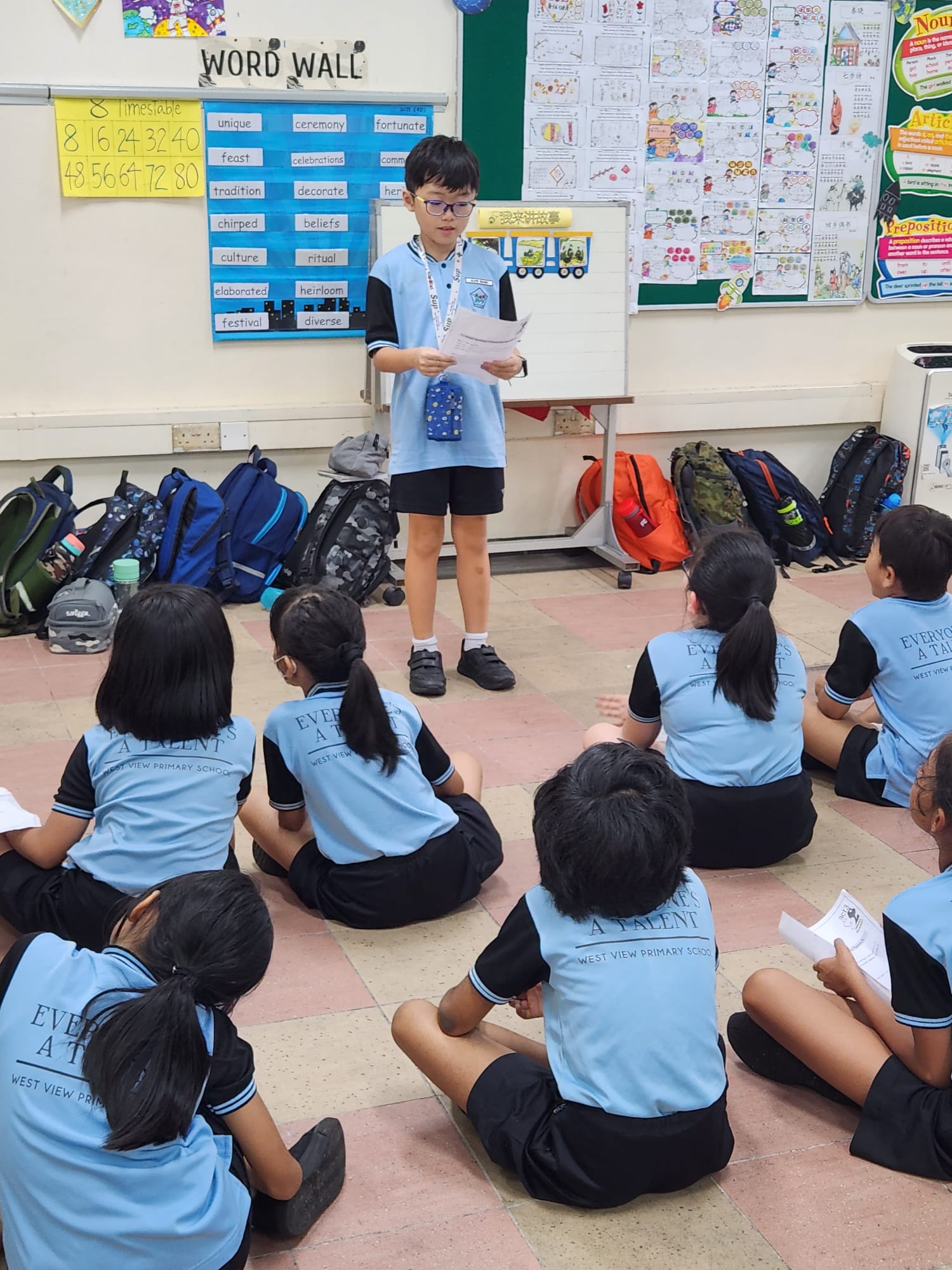
Primary 3 pupils building the confidence to speak in front of an audience
|
|
|
|---|---|---|
|
|
|
Primary 4 Public Speaking Programme
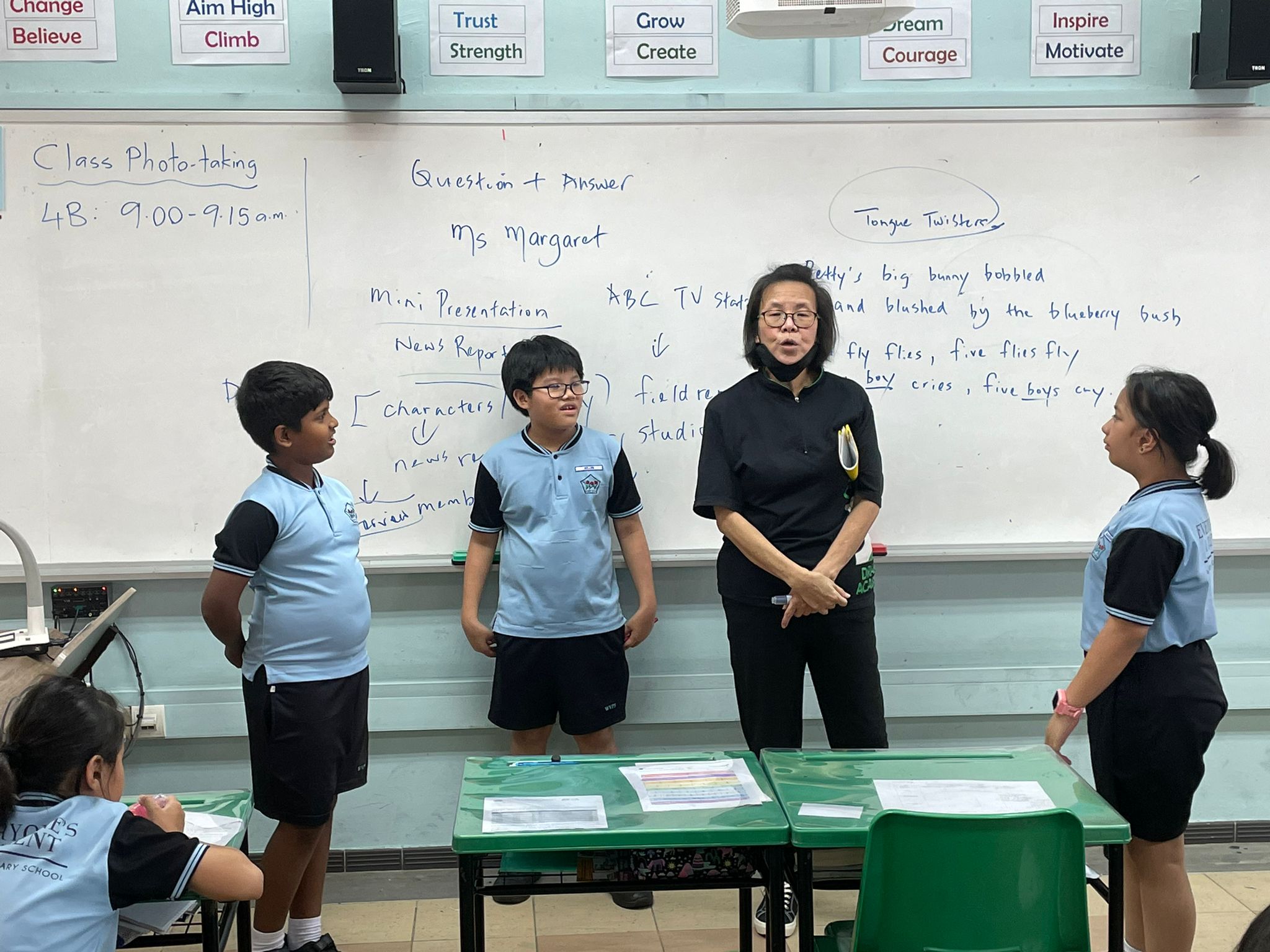
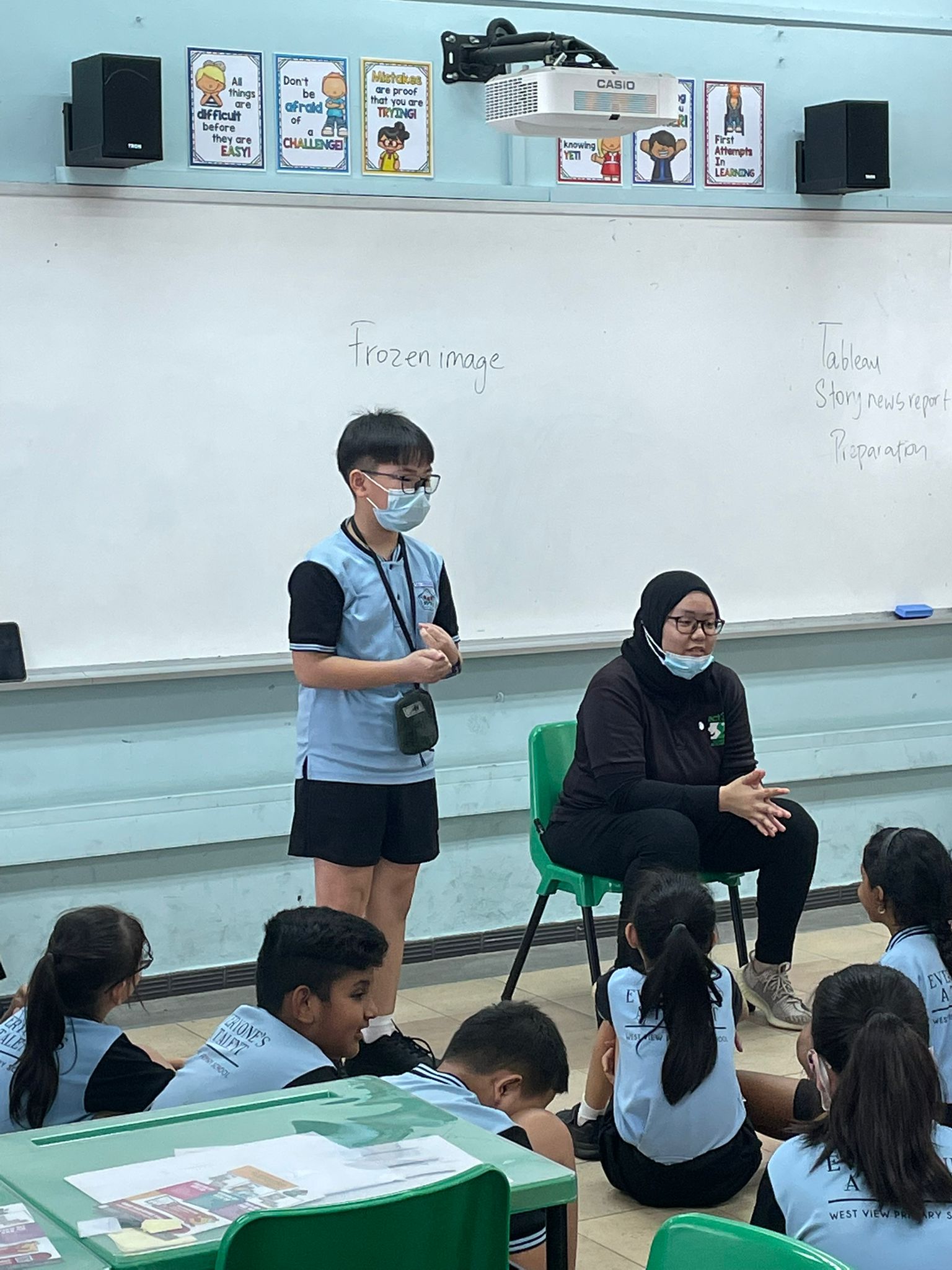
Equipped with public speaking skills, the Primary 4 pupils are challenged
to learn how to present themselves like a newscaster. They are exposed
to different events happening around the world throughout the sessions.
Through the various collaborative activities, they keep themselves abreast
of the current affairs and learn about having clear pronunciation and diction
during presentation.
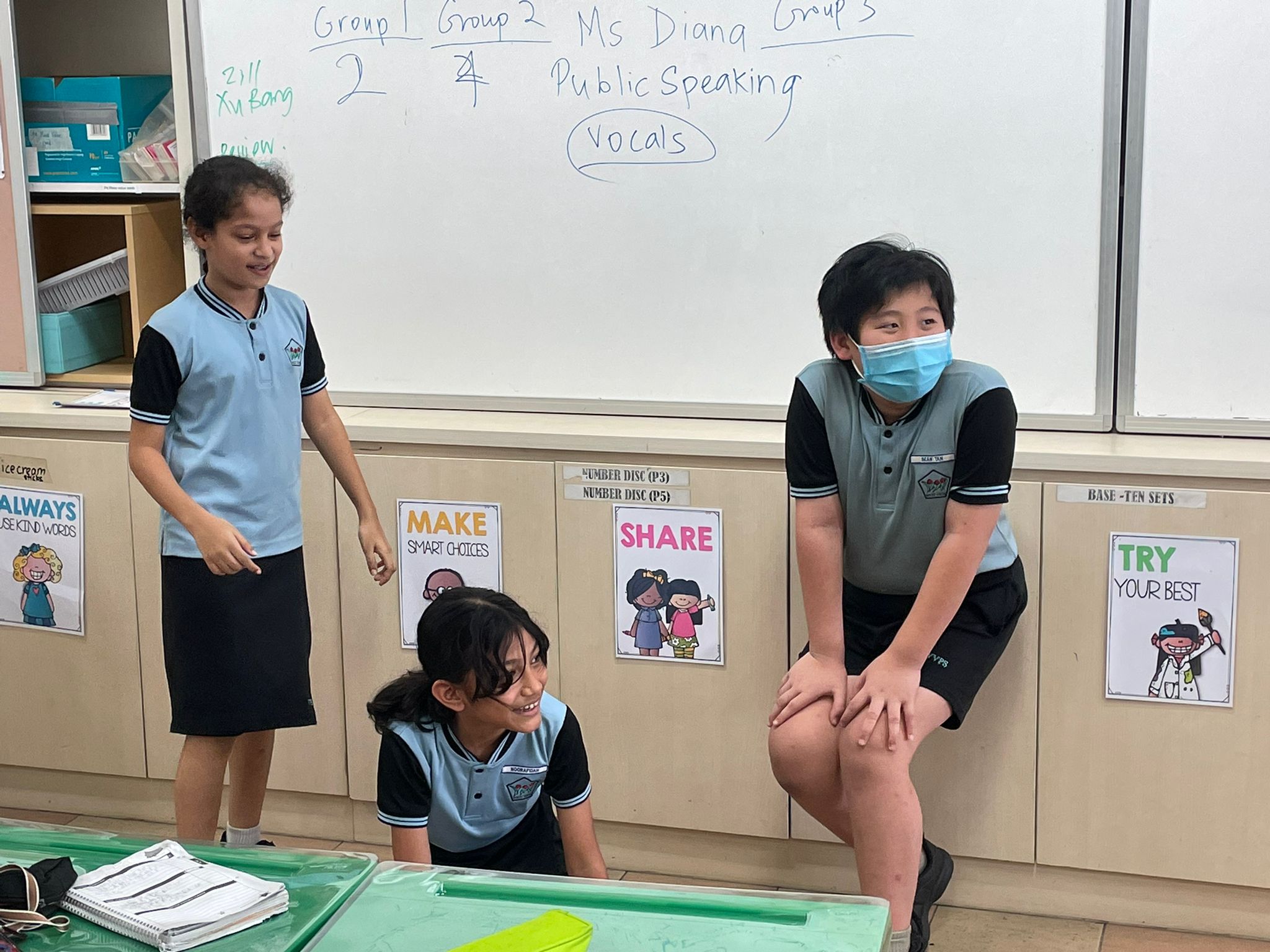
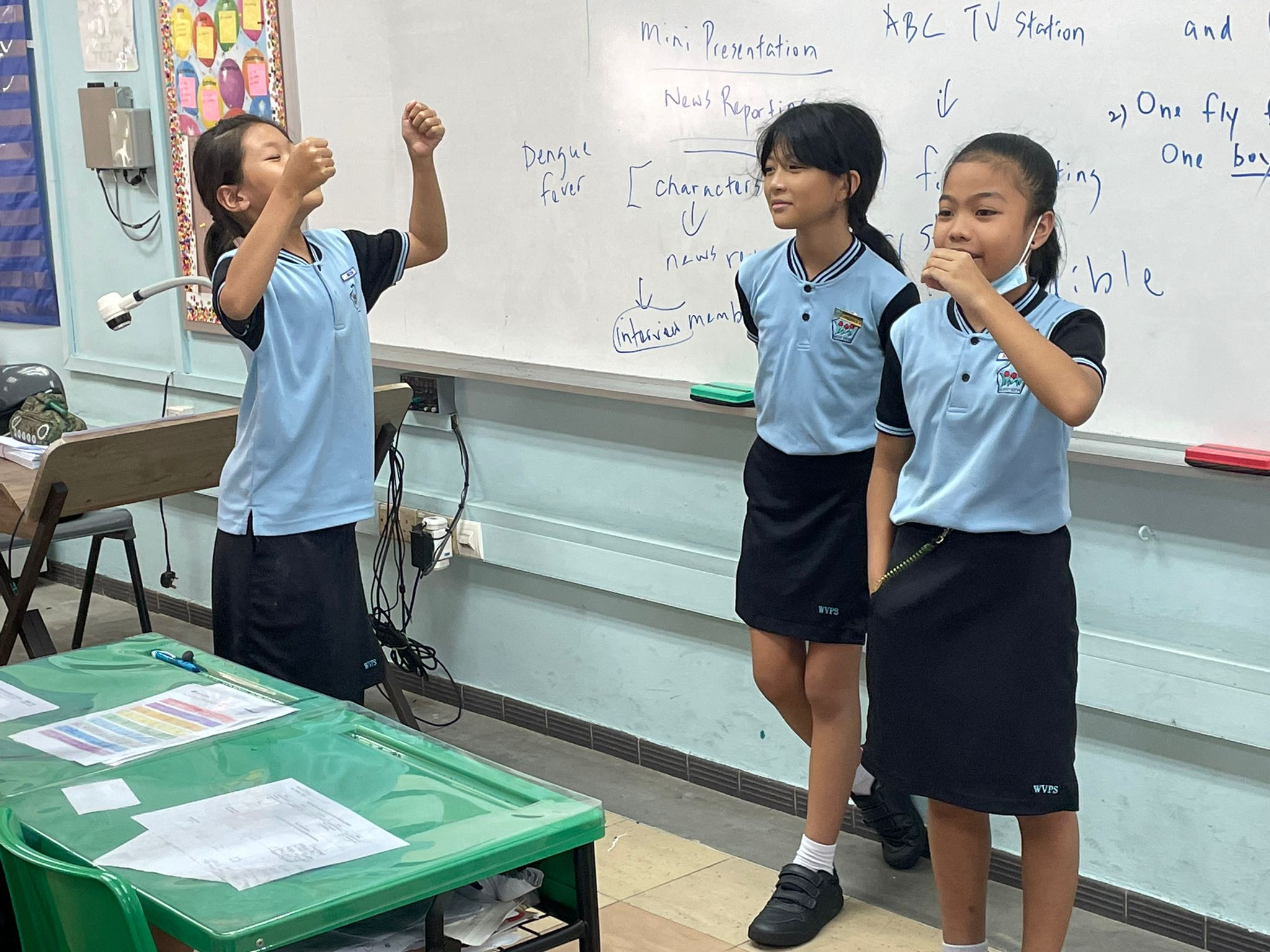
Primary 4 pupils applying the techniques/communication skills learnt and presenting their news articles in front of an audience
|
|
|---|---|
|
|
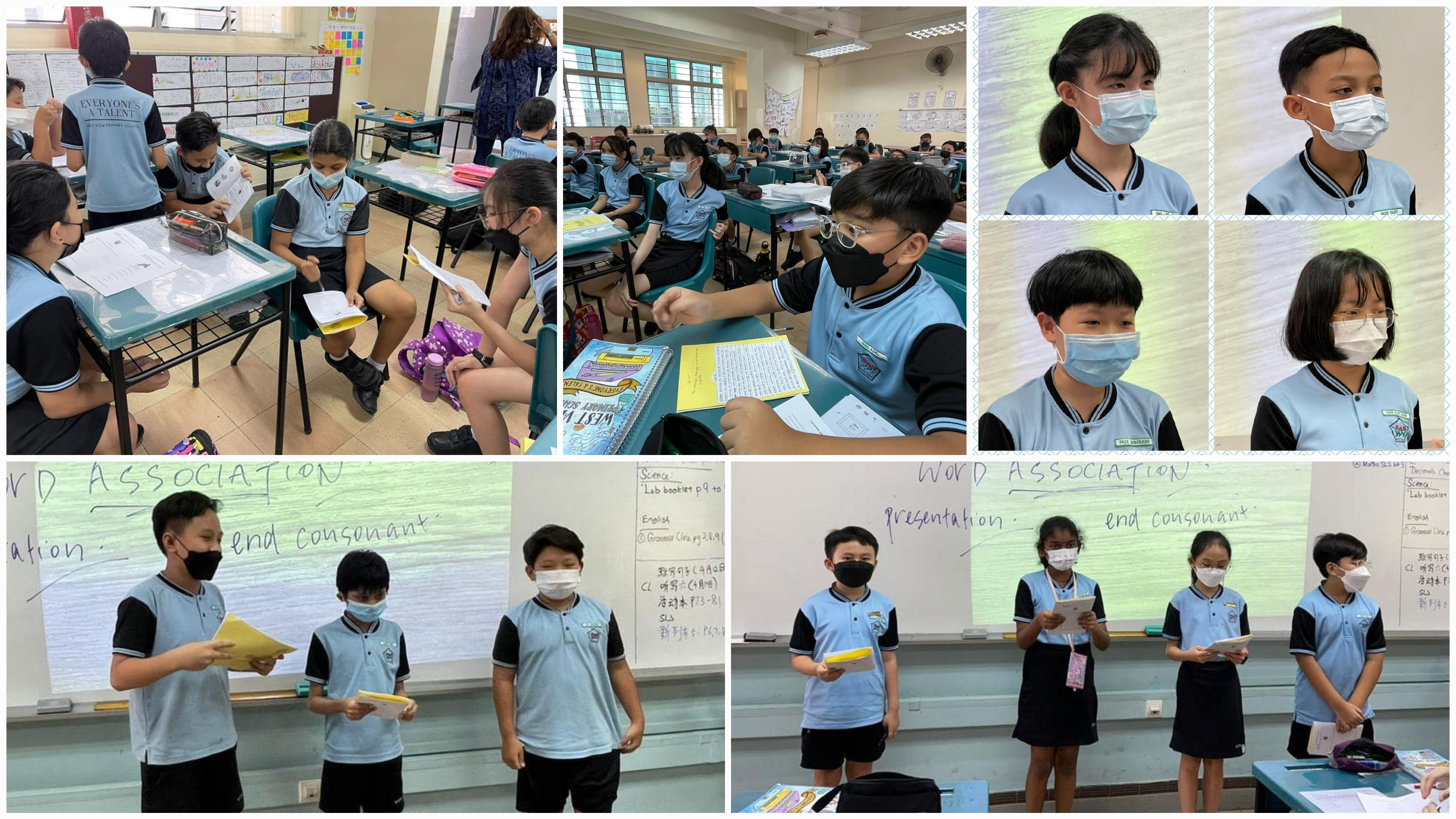
Primary 5 Persuasive Speaking Programme
After going through different experiences that teach and strengthen the
fundamentals of speaking, our Primary 5 pupils will learn the art of persuasive
speaking. Through this programme, they will learn the importance of the
impact of words and coupled with the correct delivery, they convey different
purpose, meaning and emotions. From this experience, pupils learn not only
to be effective but also convincing speakers.
Primary 5 pupils persuading their peers on given topics
Writing Programme
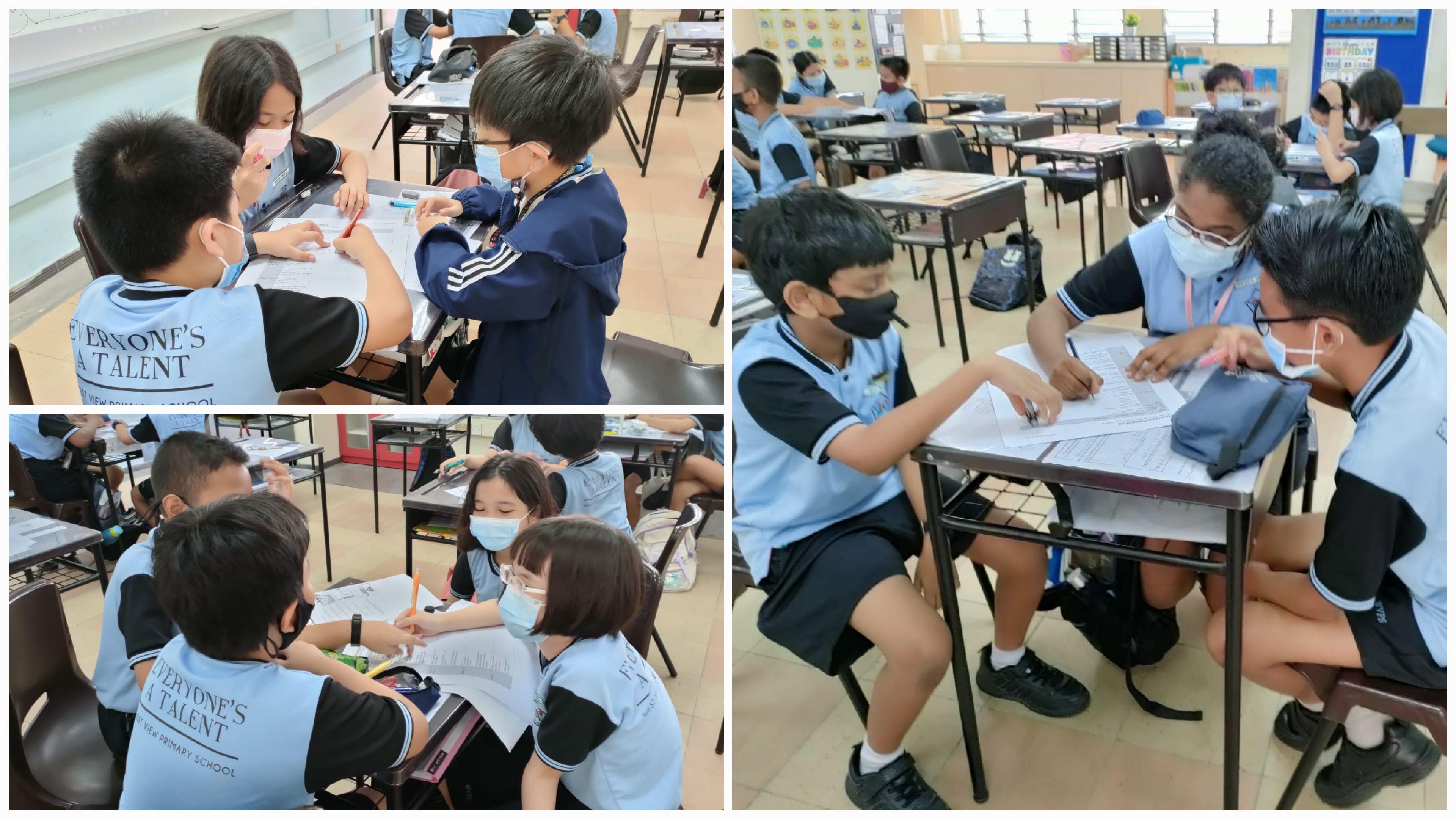
Prewriting uses a variety of methods and techniques meant to help writers generate ideas in response to a prompt and it activates their schema. By using one or more of these processes, these experiences provide the context and content for the pupils to think and talk about.
Our Lower Primary pupils having their shared experience before doing their class writing
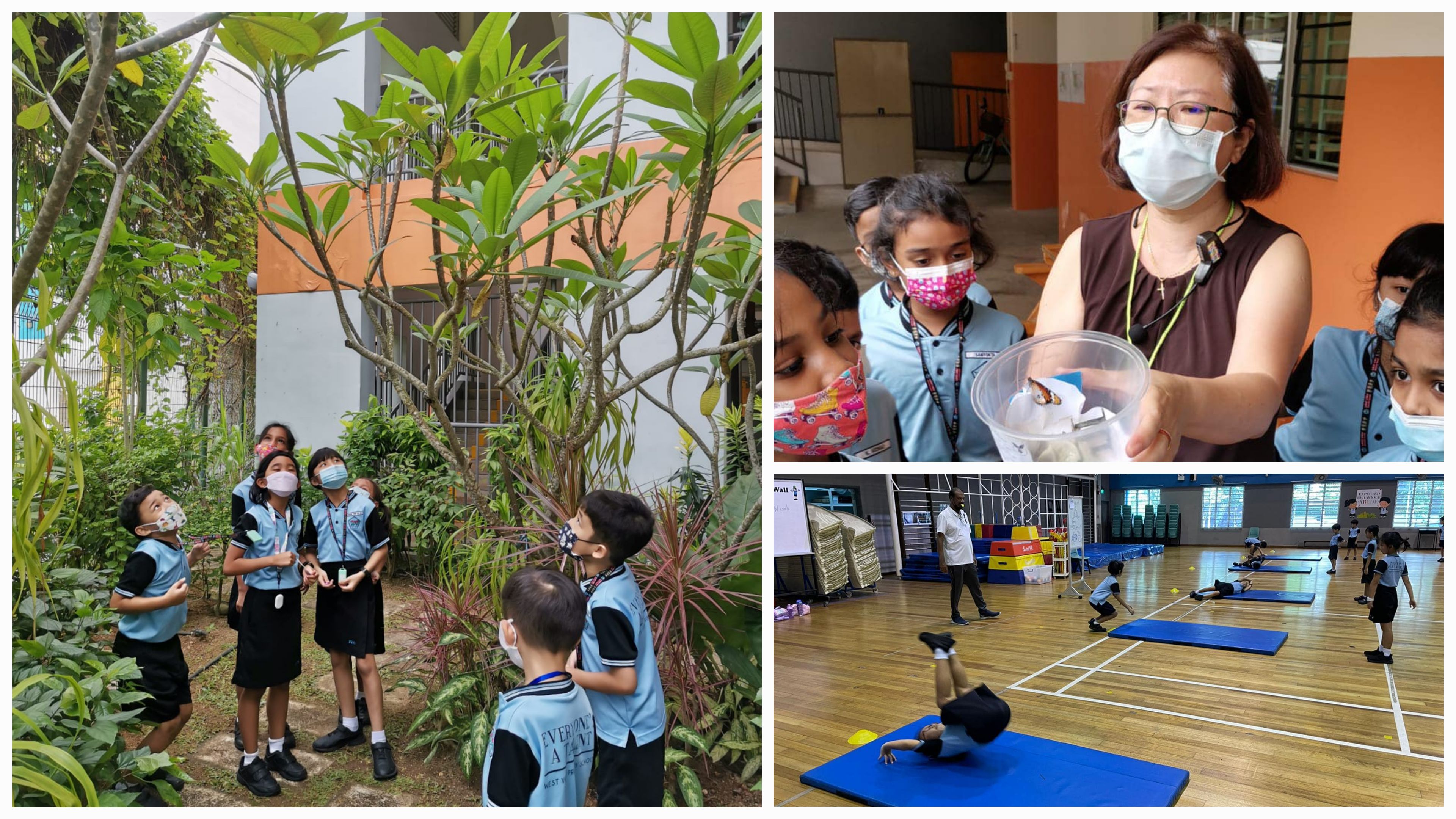
Our Middle Primary pupils coming up with solutions based on an authentic situation in their groups
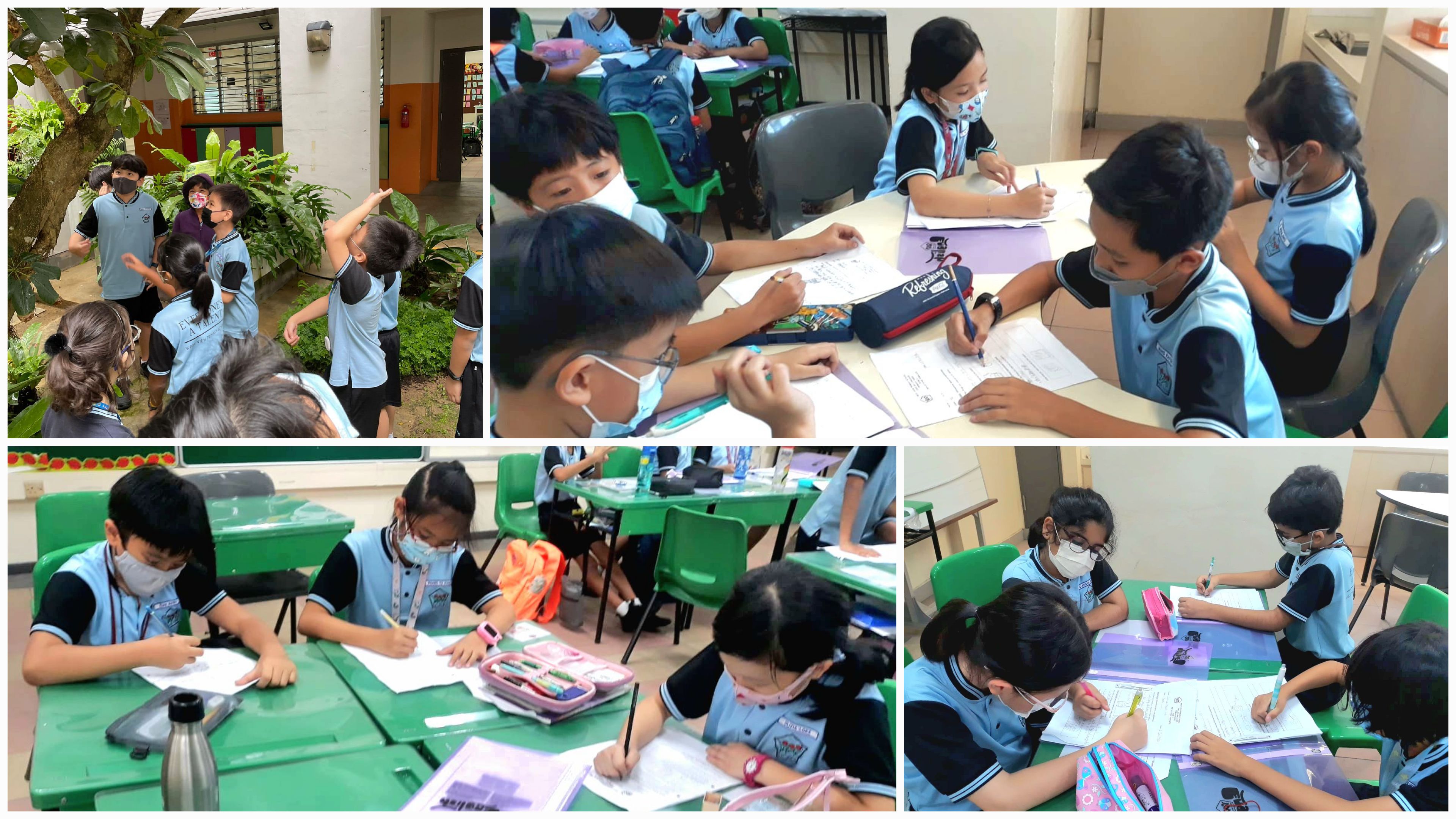
Our Upper Primary pupils brainstorming ideas for their prewriting discussion
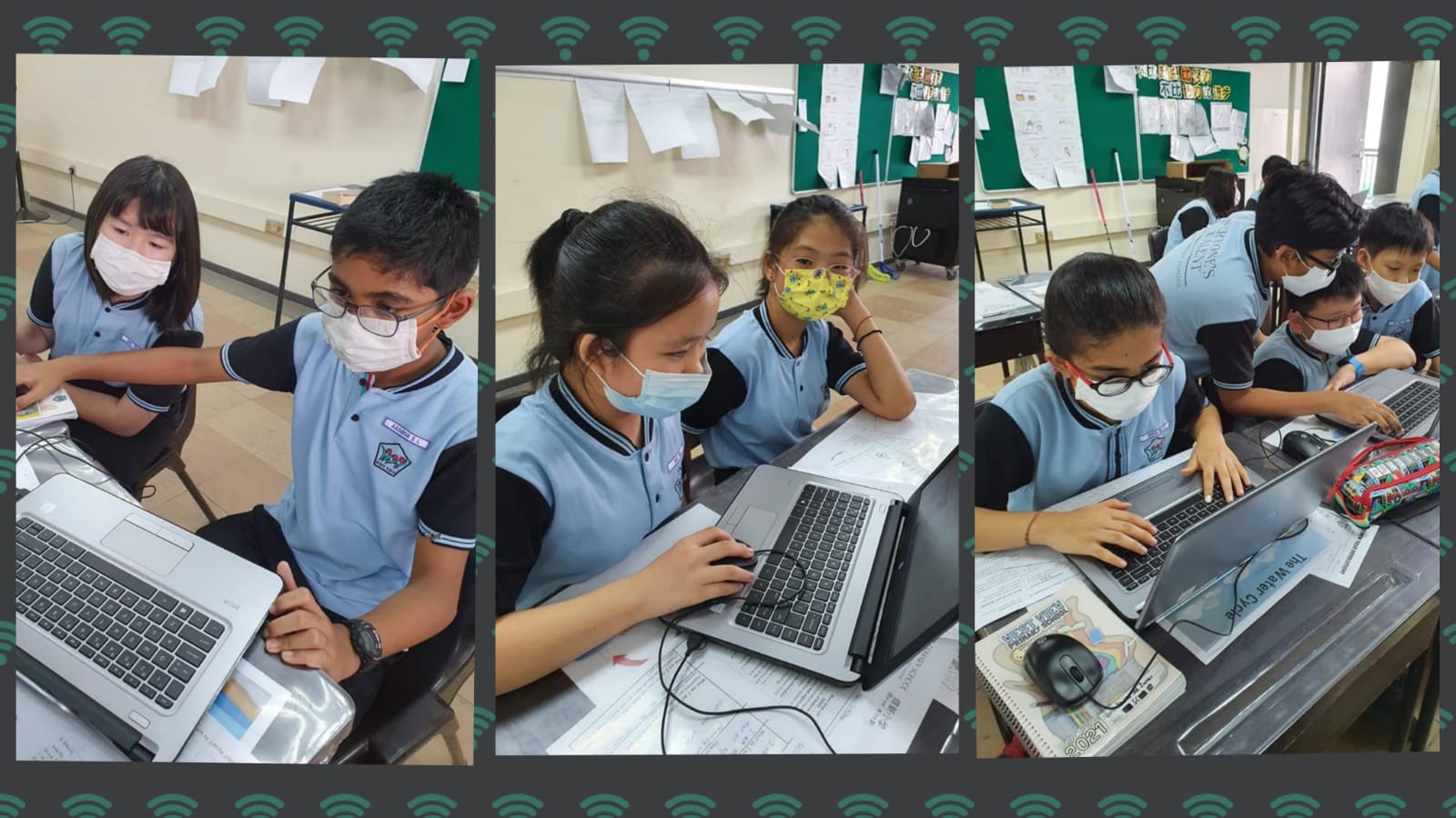
In West View, pupils will not only learn narrative writing but also other text types like information and procedural texts. During this writing process, they will also be given opportunities to learn and hone their collaborative and ICT skills; skills that are much required for the 21st century.
Primary 5 pupils researching online to educate their juniors on the importance of water conservation
Enrichment Programmes & Support
Education Minister Ong Ye Kung mandated, “Lift the bottom, not cap the top”. In West View, we ensure that we have programmes to stretch the high progress learners and to support the struggling learners.
Literacy Support Programmes
Learning Support Programme (LSP)
Through specialised early intervention programmes, learning support is provided for Primary 1 and Primary 2 pupils who need targeted help with the English Language. These pupils are selected through careful screening. The programme focuses on building English language skills that pupils used to decode and be more confident users of the language.
LSP is conducted half an hour a day (in small groups of 8 to 10 pupils).
.jpg)
School-based Dyslexia Remediation (SDR)
MOE's SDR programme is a two-year intervention programme for Primary 3 and 4 pupils. These pupils are identified for support through a systematic screening process for dyslexia conducted at the end of Primary 2.
The programme is conducted in small groups by trained school personnel using a remediation curriculum designed by MOE Reading Specialists.
SDR is conducted on Monday, Tuesday and Wednesday from 2 p.m. to 3 p.m.
.jpg)
Reading Remediation Programme (RRP)
RRP aims to provide additional support for P3 and P4 pupils who have difficulty in reading. Pupils are exposed to a range of coping strategies for reading comprehension which will enable them to better manage their learning in the regular classroom.
RRP is conducted on Monday and Wednesday from 2 p.m. to 2.45 p.m.
Enrichment Programme: DA VINCI - B.R.A.I.N. PROGRAMME
BRAIN programme aims to get the high progress pupils to develop, organise and express their ideas coherently and use these skills to produce texts for a variety of purposes, audiences, and contexts.
Primary 4 pupils will learn to speak clearly and convey their ideas expressively. They will also improve their skills in articulation and vocal projection. They also get to think on their feet when given impromptu speech situations.

Our Primary 4 pupils engaged in activities to help them hone their presentation skills
The Primary 5 pupils will be able to apply the skills taught in this BRAIN Programme to become descriptive writers. They will also learn the importance of being a creative and reflective communicator by infusing literacy devices to make various text types more interesting.

Primary 5 pupils collaborating with their peers to gain exposure to a variety of interesting and engaging writing techniques
Click here to find out more about the English Department’s enrichment programme!
